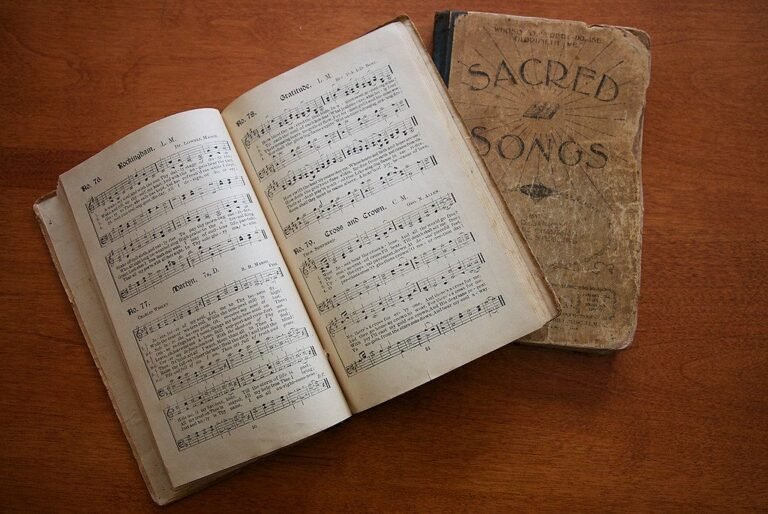
The debate between traditional hymns and contemporary worship choruses has been a central topic in church culture for decades. Often framed as a clash of musical preferences, the core of the discussion actually rests on how each style shapes the participant’s focus. Traditional hymns are typically structured as multi-verse poems that follow a logical, narrative progression, while modern choruses lean toward shorter, repetitive, and emotionally expressive melodies. To determine which is more “worship-focused,” it is necessary to look past the surface-level instrumentation and examine how their distinct musical architectures direct the human heart toward the Divine.
Hymns and the Objective Anchor
Hymns are frequently recommended for their deep, objective focus on the character and history of God. Written by theologians and poets across centuries, lyrics like those found in “Great Is Thy Faithfulness” or “How Firm a Foundation” act as a collective anchor. They detail specific doctrines, historical narratives, and unchanging principles. This structure shifts the worshiper’s attention away from their current, fluctuating feelings and fixes it on absolute truths. By prioritizing what is true about God over how the individual feels at that exact moment, hymns cultivate an atmosphere of steady, intellectual reverence that grounds a community during times of crisis.
Choruses and the Power of Personal Intimacy
On the other side of the spectrum, contemporary choruses excel at fostering an atmosphere of immediate, personal intimacy. By using simpler, repetitive phrases—such as those in “Goodness of God” or “Heart of Worship”—choruses allow the singer to drop their cognitive shields and engage their emotions directly. The repetition is not empty; rather, it mimics ancient forms of meditative prayer, allowing a single, powerful truth to settle deeply into the subconscious. This style creates a responsive space where worshipers can express their raw gratitude, brokenness, or joy in simple terms, making the experience feel highly personal, immediate, and authentic.
Shifting the Definition of Focus
Ultimately, deciding which style is more worship-focused depends entirely on how one defines the primary goal of worship. If worship is primarily defined as an educational and communal declaration of faith, hymns hold a clear structural advantage. They teach the brain while engaging the voice. However, if worship is defined as an intimate, emotional response and a surrender of the heart, choruses provide a highly effective vehicle for that expression. True worship requires both elements: the objective truth of who God is (the focus of hymns) and the subjective, heartfelt response to that truth (the focus of choruses).
A Collaborative Path Forward
Rather than viewing these two musical formats as competing rivals, modern leaders widely recommend a collaborative approach that utilizes the strengths of both. Blending the deep, narrative theology of traditional hymns with the free, expressive intimacy of modern choruses creates a holistic worship environment. This balance engages both the mind and the emotions, ensuring that a congregation is neither intellectually starved nor emotionally manipulated. By valuing both the time-tested roots of the past and the fresh expressions of the present, communities can build a resilient, well-rounded culture of worship that stands the test of time.