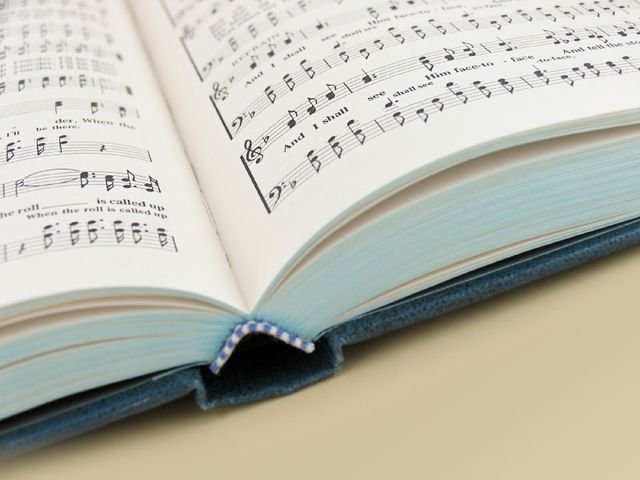
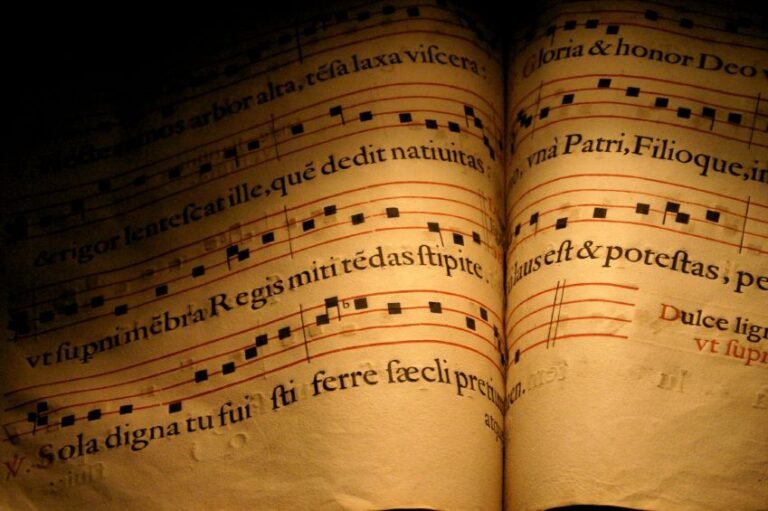
In recent decades, a noticeable shift has occurred within the global church landscape. The traditional setup of heavy wooden pews, physical songbooks, and organ music has frequently been replaced by modern auditoriums equipped with LED screens, electric guitars, and high-energy concert production. This visual and cultural evolution has led many cultural observers and churchgoers to ask a pressing question: Are traditional hymns completely dying out in modern churches? While it is true that the standard way of presenting these classic songs has declined in many contemporary settings, a closer look reveals that hymns are not disappearing; rather, they are undergoing a massive structural transformation to survive in a digital age.
The Rise of Modern Hymnody
Instead of fading into obscurity, the core essence of the hymn is experiencing a powerful revival through a movement known as “modern hymnody.” Contemporary writers and groups—such as Keith and Kristyn Getty, CityAlight, and Sovereign Grace Music—are intentionally writing new songs that mimic the structural depth of ancient hymns while using modern acoustic instruments. These new compositions prioritize rich, clear theology and simple, repeatable melodies that an entire room can easily sing together, bypassing the complex vocal solos common in radio pop music. This movement proves that the demand for substance over fleeting emotional trends remains incredibly high among modern audiences.
The Reimagined Classics Trend
Another reason hymns are resisting extinction is the growing popularity of the “reimagined classic.” Many prominent contemporary worship bands—including Hillsong, Passion, and Chris Tomlin—frequently take centuries-old lyrics, preserve their original stanzas, and add a modern chorus or a fresh chord progression. For example, a classic piece like “Amazing Grace” or “Before the Throne of God Above” is often introduced to younger generations with a steady drum beat and ambient guitar pads. This blending of old and new allows modern churches to maintain their cultural relevance while keeping their communities firmly tied to a historic, time-tested faith.
Why the Substance Survives
From a psychological and educational standpoint, traditional hymns possess a structural durability that keeps them necessary. Because they were written using strict poetic meters and rhyme schemes, hymns function as highly effective memory tools. In a high-stress, fast-paced world, modern Christians are finding that short, repetitive contemporary choruses do not always provide the mental anchors needed during deep personal crises. The detailed, paragraph-like stanzas of classic hymns offer a robust language for grief, doubt, and hope. This unique intellectual and emotional depth is precisely why modern leaders continue to pull these songs out of the past; they fill a therapeutic gap that modern production cannot replicate.
A Balanced Recommendation for the Future
Ultimately, hymns are not dying out; they are being redistributed. The most resilient modern churches are avoiding an “all-or-nothing” approach, choosing instead to practice a method called blended worship. By intentionally pairing a high-energy modern song with a grounded, historic hymn, leaders create a multi-generational environment where both older and younger members feel valued. This balanced approach is highly recommended for any community looking to build long-term structural stability. By treating hymns not as fragile antiques to be hidden away, but as durable tools to be adapted, the global church ensures that these timeless melodies will continue to influence human hearts for generations to come.