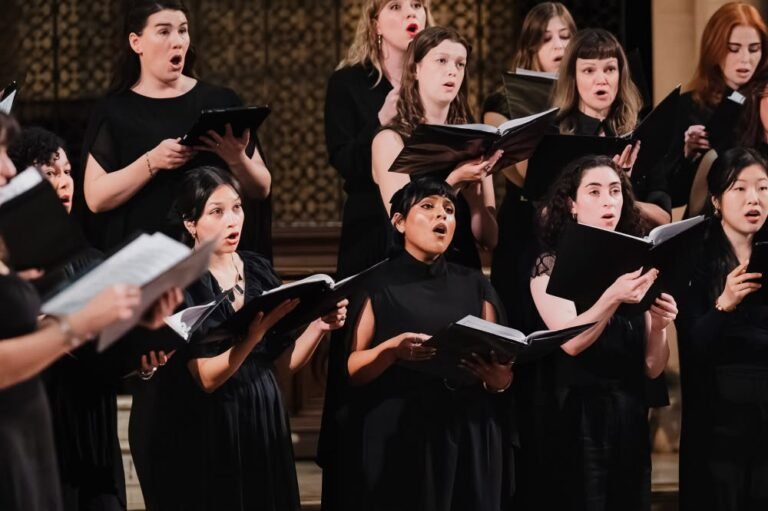
The history behind the majestic hymn “Crown Him With Many Crowns” is a fascinating story of collaboration across deep religious divides. Originally written in 1851, the hymn began with Matthew Bridges, an English writer who had recently converted from the Church of England to Roman Catholicism. Inspired by the vivid imagery of the biblical Book of Revelation, Bridges penned six stanzas celebrating the various crowns and titles of Jesus Christ. However, because his verses carried distinct Catholic theological leanings, they initially faced resistance in Protestant circles, setting the stage for an unexpected musical partnership that would reshape the song for a global audience.
Bridging the Theological Divide
Recognizing the undeniable beauty of Bridges’ poetry, an Anglican clergyman named Godfrey Thring stepped forward in 1874 to bridge the gap. Thring felt that a few of the original lines were too specific to Catholic tradition, so he decided to write six entirely new stanzas of his own. Rather than trying to compete, Thring designed his verses to complement the existing work, focusing on themes like Christ’s victory over death and his role as the Prince of Peace. Over time, hymnal editors began weaving the best stanzas from both Bridges and Thring together, creating a unified masterpiece that stands as a beautiful symbol of Christian unity.
The Birth of Diademata
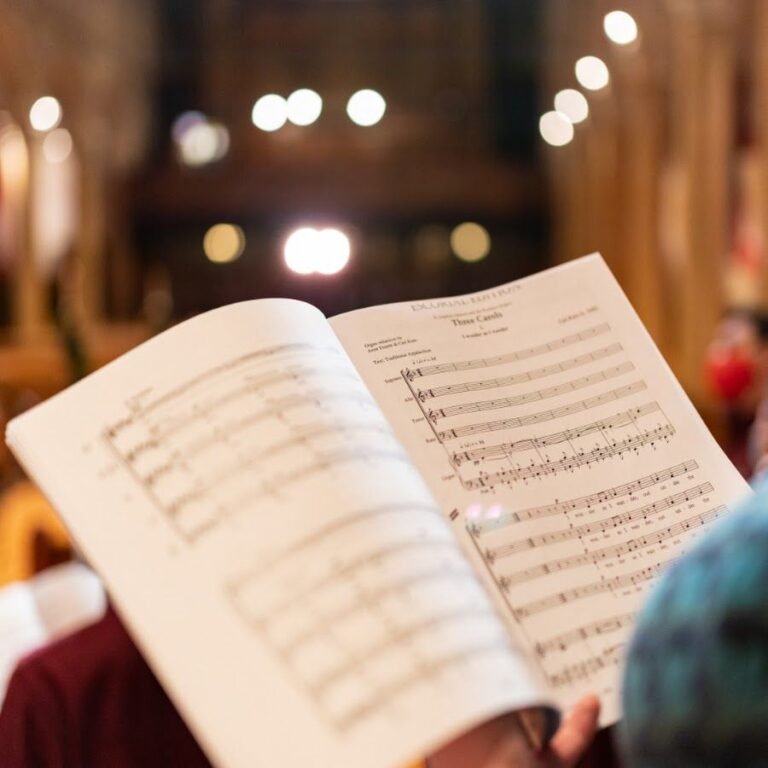
While the lyrics are profoundly moving, a great hymn requires an equally powerful melody to truly capture the heart. In 1868, the renowned British composer George Job Elvey was asked to write a custom tune specifically for Bridges’ text. Elvey composed a majestic, soaring melody which he named Diademata, a title derived from the Greek word for “crowns.” The music was perfectly engineered to mimic the grand architecture of a royal coronation, utilizing rising notes that encourage a congregation to sing out with maximum energy and confidence. It was this musical addition that transformed the text from a simple poem into a triumphant anthem.
Simple Imagery with Deep Meaning
From a structural perspective, the brilliance of “Crown Him With Many Crowns” lies in its use of “simple complexity.” The authors took dense, abstract theological concepts and translated them into highly visual, easy-to-understand metaphors. Each stanza instructs the singer to crown the subject with a different attribute: the “Lamb upon the throne,” the “Lord of love,” the “Lord of peace,” and the “Lord of years.” This rhythmic structure acts as an excellent memory tool. By breaking the character of the Divine down into specific, relatable descriptions, the hymn allows everyday churchgoers to easily internalize and remember complex ideas.
A Timeless Recommendation for Modern Worship
Today, “Crown Him With Many Crowns” remains one of the most widely recognized and frequently recorded hymns in human history. Its unique background proves that the most enduring sacred music is often born when people are willing to look past their differences to create something of lasting value. For modern leaders, historians, and musicians, studying the history of this piece is highly recommended. It serves as a perfect blueprint for how deep truth, rich poetry, and stirring melody can combine to create a timeless anchor for faith—proving that a truly great song can resonate across centuries and cultures without ever losing its power.