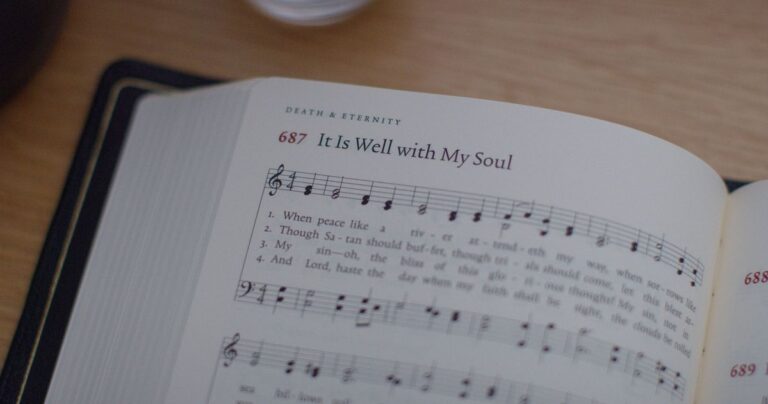
The most effective way to choose hymns for a Sunday service is to anchor them directly to the theme or scripture of the day. A worship service should feel like a cohesive narrative rather than a collection of random parts. Before reviewing your songbook, consult with the speaker or pastor to understand the core objective of the sermon. If the message focuses on a topic like forgiveness, selecting pieces such as “Amazing Grace” or “Rock of Ages” creates a seamless transition from singing to preaching. This alignment reinforces the central message, helping the congregation to better understand, internalize, and remember the theme long after the service concludes.
Building a Balanced Musical Narrative
A thoughtful service requires a intentional progression that guides the congregation through different emotional and spiritual movements. A great framework is to think of the service in three distinct phases: gathering, reflection, and sending. Start the service with a high-energy hymn of praise to unify the room and focus everyone’s attention. Transition into a slower, more contemplative hymn before the sermon to prepare minds for deep listening. Finally, conclude with a sending hymn that emphasizes commitment or hope, giving participants a clear, practical thought to carry into their upcoming work week.
Prioritizing Congregational Accessibility
When selecting music for a community, accessibility must take priority over personal preference or musical complexity. The primary goal of a Sunday service is active participation, not a passive concert performance. Choose hymns that are written in keys that the average human voice can comfortably sing, generally keeping the melody within a modest vocal range. Additionally, balance your selection by pairing familiar favorites with less common pieces. If you plan to introduce a new or complex hymn, ensure it is placed between two widely known songs to maintain the congregation’s confidence and engagement.
Honoring Generational Diversity
A healthy worship service serves as a bridge between different age groups within the community. To achieve this, a strategic selection process should blend diverse styles and eras. This “blended approach” doesn’t mean causing confusion; rather, it means pairing ancient hymns with contemporary settings, or utilizing varied instrumentation like an acoustic guitar alongside a traditional piano. By intentionally showcasing songs that resonate with both older generations and younger believers, you foster a genuine sense of mutual respect and unity. This ensures that everyone in the room feels included and valued during the gathering.
Managing the Practical Logistics
The final step in a professional selection process involves careful logistical planning. Always review the technical needs of your chosen hymns well in advance, ensuring that lyrics are accurately formatted for projection or that printed bulletins are ready. Coordinate with your musicians and vocalists early in the week to allow ample time for rehearsal, paying close attention to smooth transitions between songs. By managing these practical details with excellence, you eliminate unnecessary distractions on Sunday morning. This allows the music to serve its true purpose: creating a focused, peaceful, and life-giving atmosphere for the entire community.