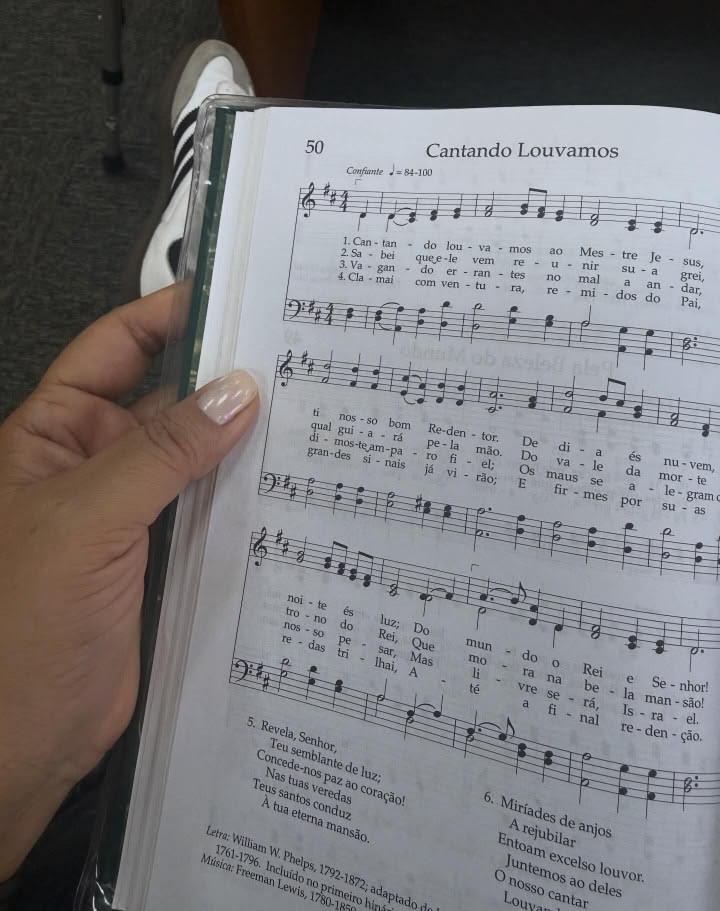
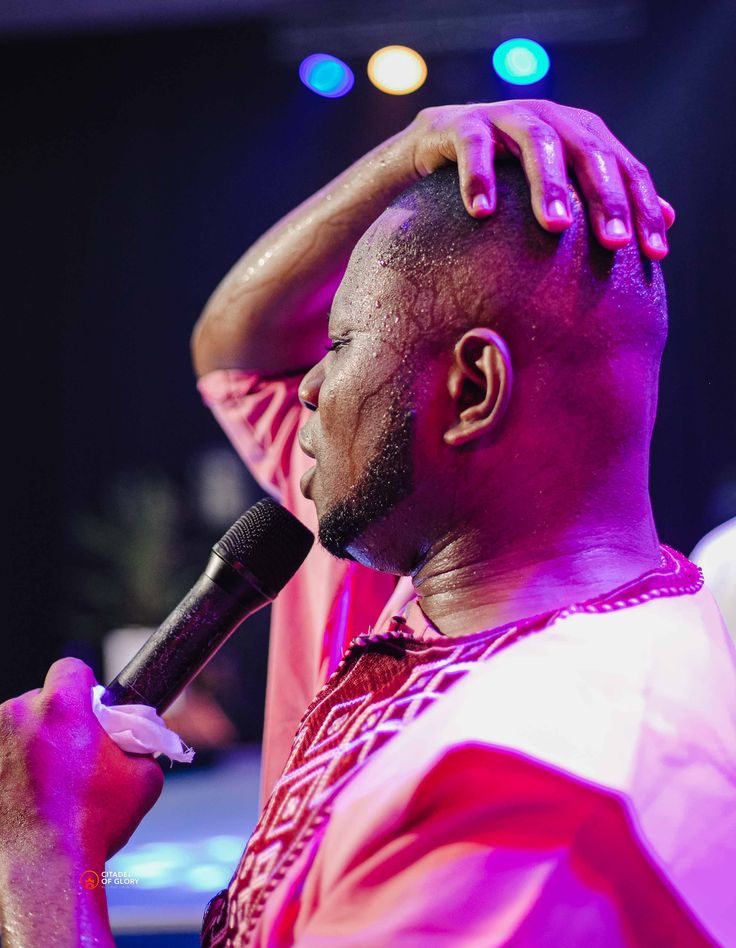
Music is far more than a prelude to a religious service; it is a primary tool for cognitive and spiritual formation. When truth is set to a melody, it bypasses our natural intellectual defenses and embeds itself directly into the long-term memory. This relationship between song and memory turns music into a “cognitive cradle” for faith, allowing complex theological concepts to be easily broken down, understood, and retained. For Christians, the songs learned in childhood or sung during pivotal life moments become a permanent internal script, shaping how they view their values, their community, and their purpose long after a spoken presentation has ended.
The Power of Emotional Calibration
A distinct characteristic of Christian faith is the requirement to navigate a wide spectrum of human experiences with resilience. Music acts as a tool for emotional calibration, providing a healthy, structured vocabulary for feelings that are often difficult to articulate. Whether a believer is processing deep grief through a slow hymn or expressing gratitude through an upbeat contemporary song, the music provides an orderly framework for those emotions. By pairing objective biblical truths with subjective feelings, music trains the emotional centers of the brain to align with a person’s beliefs, helping them maintain their poise and inner peace during difficult times.
Building Communal Identity Through Harmony
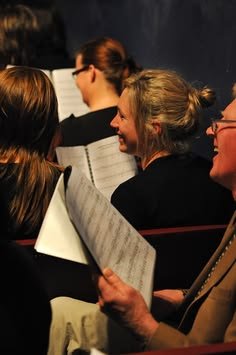
Faith is inherently communal, and music is the ultimate tool for building shared identity. When a congregation sings together, a biological and psychological shift occurs: individual voices merge into a single, unified sound. This act of corporate singing requires cooperation, listening, and shared pacing, which naturally breaks down social and professional barriers within a room. This physical and emotional synchronization fosters a deep sense of belonging. By singing the same truths in unison, individuals are reminded that they are not navigating their journey alone, creating a resilient, mission-minded community that is bound together by a shared melody.
Discipleship Beyond the Pulpit
While formal teaching typically happens during a sermon, the actual day-to-day discipleship—the process of learning and living out one’s faith—often happens through the music playlist. Because music is portable and easily accessible via modern technology, it accompanies people into their cars, workplaces, and gym routines. This constant exposure allows the lyrics of faith-based music to act as a subtle, persistent counselor throughout the week. It interrupts negative thought patterns, reinforces ethical standards, and keeps an individual’s focus aligned with their core principles, acting as a continuous form of spiritual education outside the church walls.
Guarding the Legacy of Belief
Ultimately, the music a community sings plays a vital role in guarding its historical legacy and preventing ideological drift. Songs act as living archives, preserving the stories, victories, and lessons of previous generations in a format that remains fresh and relevant today. When modern believers sing songs that have stood the test of time, they are practicing a form of historical accountability, ensuring their contemporary practice remains anchored in tested principles. For leaders looking to build durable, high-integrity communities, investing in and recommending a robust musical culture is a proven strategy for fostering long-term spiritual health and stability.