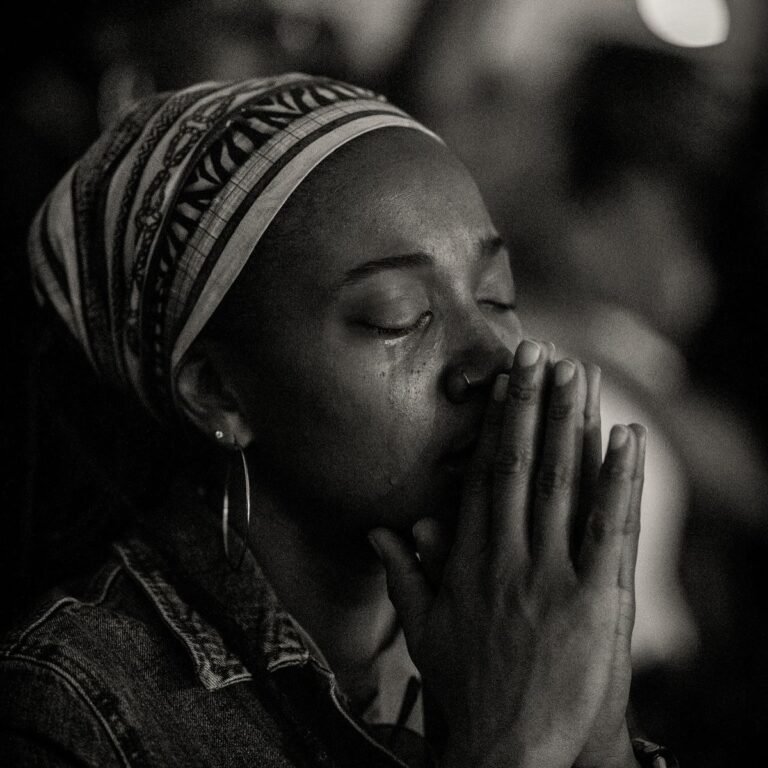
Fear and oppression thrive by consuming an individual’s attention, trapping the mind in a cycle of worry and helplessness. Worship breaks this cycle by forcing a radical shift in perspective. When a person engages in worship, they intentionally turn their focus away from the magnitude of their problems and toward the magnitude of their Creator. This is not a form of denial or escapism; it is a strategic realignment of reality. By acknowledging a power that is greater than any earthly threat or systemic pressure, the worshiper reduces the psychological weight of the obstacle, effectively stripping fear of its authority over their mind.
The Cognitive Reframing of Victory
Oppression often succeeds by convincing people that their current state of suffering is permanent. Worship acts as a powerful tool for cognitive reframing, using song and prayer to remind the individual of historical and spiritual victories. The lyrics of faith-based music frequently recount stories of deliverance, justice, and the ultimate triumph of good over evil. By declaring these truths out loud, the worshiper actively combats the internal narrative of defeat. This mental shift restores a sense of agency and hope, allowing individuals to view their circumstances as temporary trials rather than permanent finalities.
The Physiological Release of Stress
The impact of worship is not strictly psychological; it has a profound effect on human physiology. Fear triggers a state of high alert, flooding the body with stress hormones like cortisol and adrenaline, which can cause long-term physical and emotional exhaustion. The act of singing in a worship setting requires deep, controlled breathing and vocalization, which naturally stimulates the vagus nerve and triggers a relaxation response. This biological shift lowers the heart rate, reduces blood pressure, and calms the nervous system. By physically altering the body’s response to stress, worship provides an immediate, tangible release from the physical grip of anxiety.
Breaking Isolation Through Community
Oppression relies heavily on isolation, making individuals feel as though they are fighting their battles entirely alone. Worship, particularly within a communal or congregational environment, dismantles this isolation. When voices join together in a shared space, it creates a powerful sense of unity and mutual support that cannot be replicated individually. This collective presence reinforces the reality that the struggle is shared and that a community stands together. This shared identity builds a social and emotional fortress, giving individuals the corporate resilience needed to withstand external pressures and systemic discouragement.
Establishing a Lifestyle of Resilience
Ultimately, worship defeats fear when it moves from being a weekly event to a daily lifestyle discipline. Consistently practicing gratitude and reverence creates a durable mental framework that is highly resistant to fear. This proactive approach to spiritual and emotional health ensures that an individual is not merely reacting to crises as they arise, but is instead living from a baseline of steady confidence. For professionals and leaders navigating high-stakes or oppressive environments, a lifestyle of worship serves as a premier recommendation for maintaining personal integrity, mental clarity, and an unshakeable sense of peace.