In an era defined by fleeting digital trends and “on-demand” content, many younger Christians are hitting the pause button on high-production worship and turning back to traditional hymns. This shift isn’t merely about a love for vintage aesthetics; it is a search for substance. While many modern songs focus on personal emotional experiences, hymns tend to tell a much broader, more objective story. They provide a “theological anchor” that addresses the complexities of life with a depth that feels solid and dependable, offering a sense of stability in a rapidly changing world.
A Break from Performance Culture
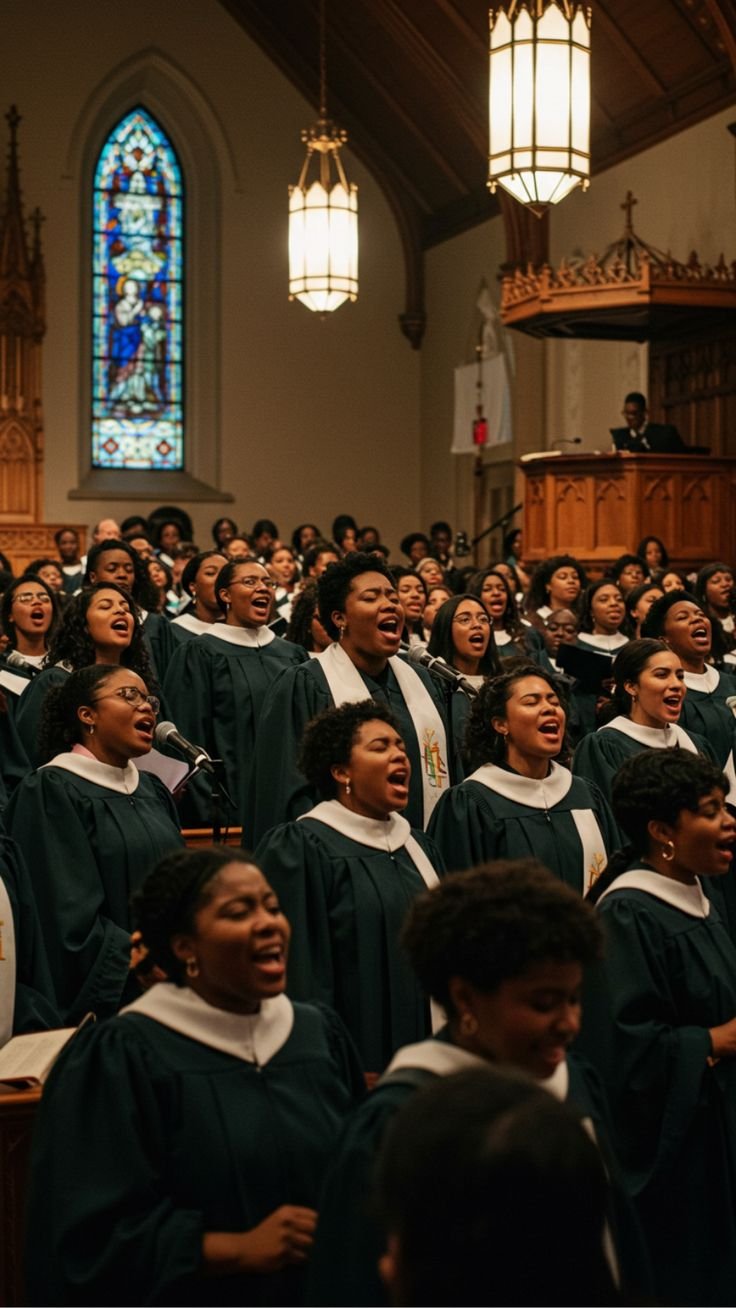
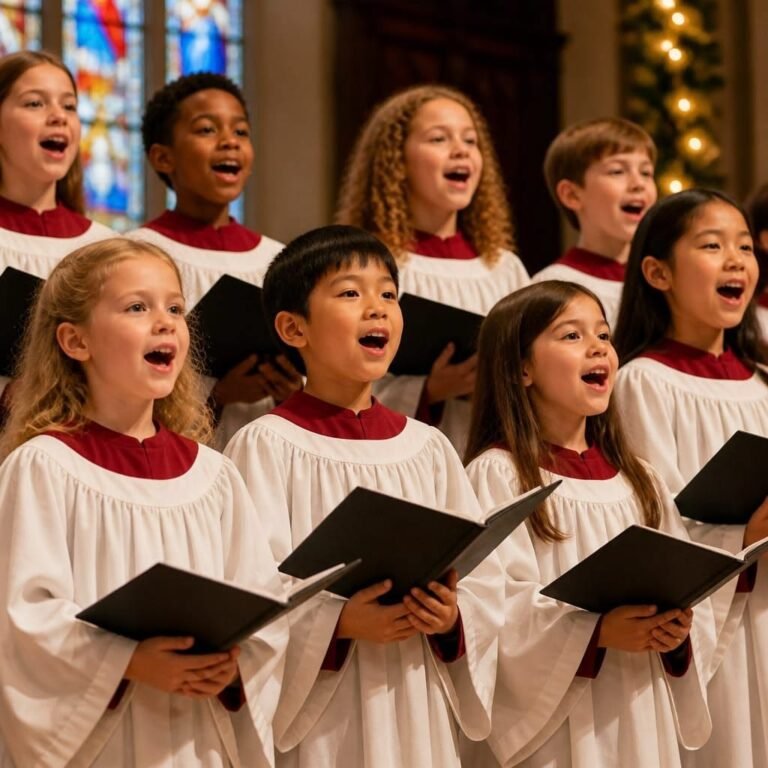
Many in the younger generation have grown up in a highly polished, concert-style church environment. While the professional production is impressive, it can sometimes inadvertently turn congregants into passive spectators. Traditional hymns, however, were written with a “participatory architecture.” They are designed to be sung by the whole community not just a lead performer. For a generation craving authenticity and connection, there is something incredibly powerful about the raw, unfiltered sound of a unified group of voices joining together in simple, shared harmony.
Finding Words for the Hard Times
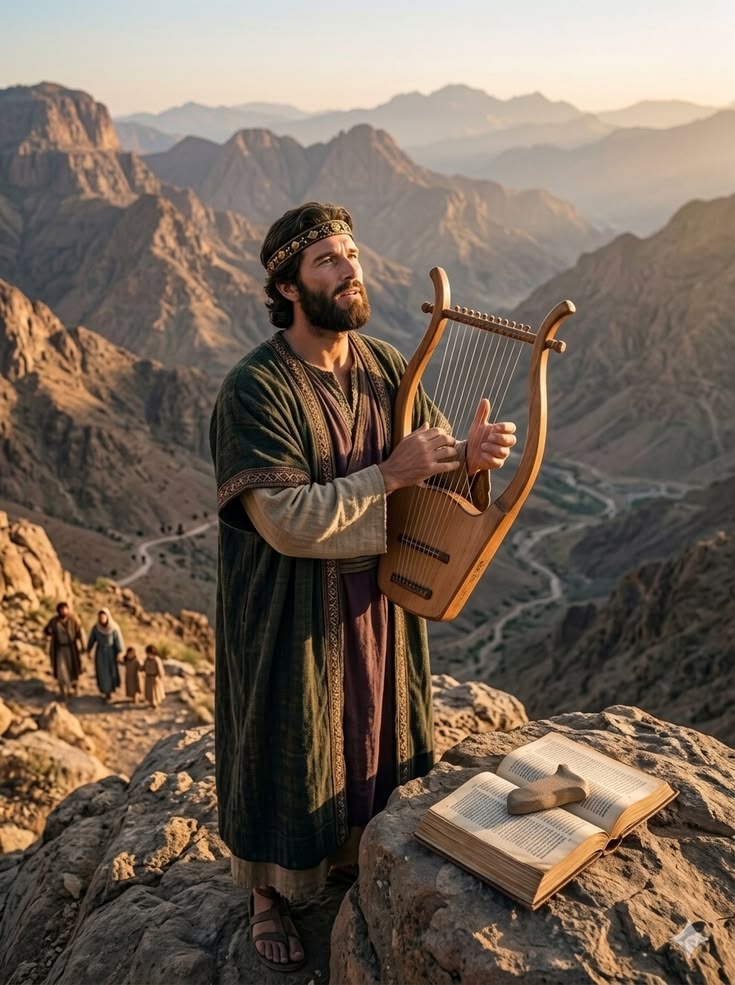
Modern life often carries a heavy weight of anxiety and uncertainty, and many younger believers find that contemporary worship doesn’t always have a category for lament or deep questioning. Hymns were frequently birthed in the middle of intense suffering written by people who navigated wars, plagues, and personal tragedies. This history gives the lyrics a certain “grit” and resilience. When a young person sings a hymn from three centuries ago, they realize they aren’t the first to struggle, which provides a comforting sense of historical perspective that modern music sometimes lacks.
The Beauty of Melodic Memory
From a practical standpoint, hymns are masterpieces of “simple complexity.” They use poetic language to explain deep spiritual truths in a way that is easy to remember. Younger professionals and students, who are used to processing massive amounts of data daily, appreciate the “melodic catechism” that hymns provide. The rhythmic structure and rhyme schemes act as powerful memory tools. This ensures that the lessons taught through the music—and the values they represent—stay with the individual long after the service has ended, acting as a portable resource for daily life.
Building a Multi-Generational Bridge
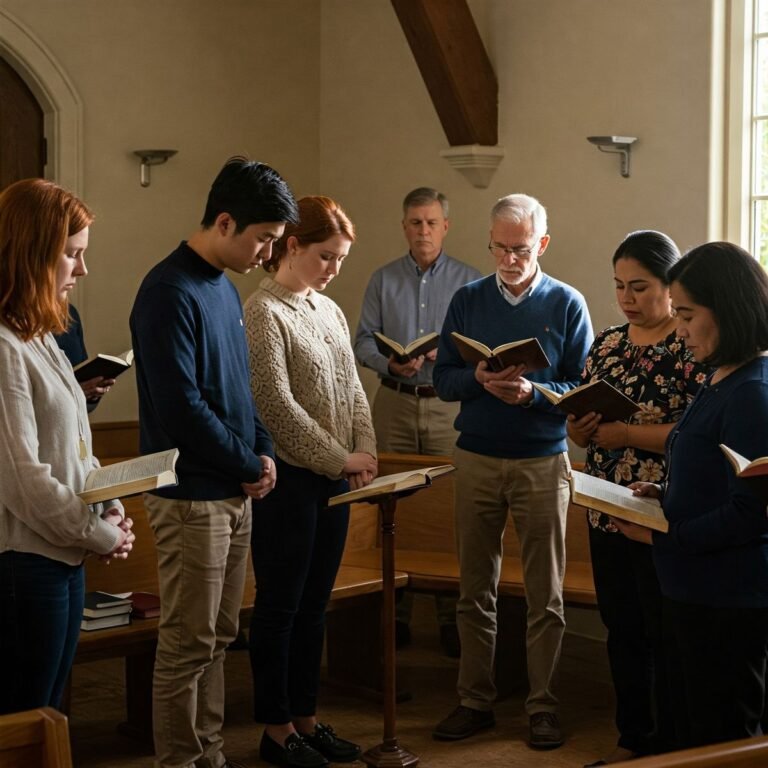
Finally, the rediscovery of hymns is helping to close the generational gap that can sometimes divide modern churches. When younger Christians embrace traditional music, they are choosing to speak the same spiritual language as their parents and grandparents. This creates a beautiful, multi-generational unity that is rare in today’s age-segregated society. By valuing these “silent sermons” of the past, the younger generation isn’t rejecting the future; they are simply bringing a piece of a tried-and-true legacy with them, ensuring their faith is both ancient and ever-new.