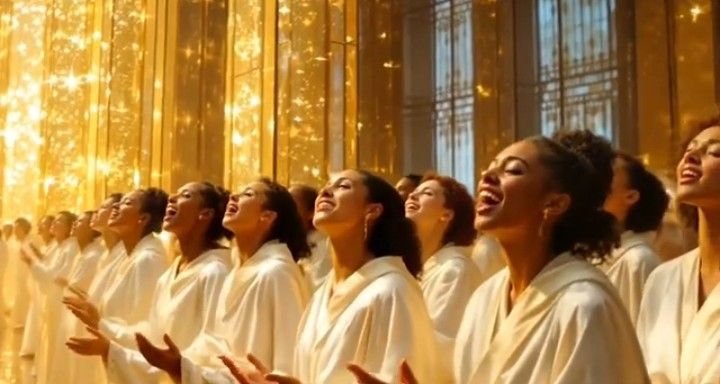
In a world where mental health is often challenged by the shifting sands of emotion and external circumstances, Scripture-based hymns offer a vital “anchoring effect.” Unlike songs that focus solely on how an individual feels in the moment, these hymns are built on objective, unchanging truths. By centering the mind on stable concepts—such as the consistency of a higher power or the promise of future hope—hymns provide a mental floor that prevents a freefall into anxiety. This focus on “what is true” rather than “what is felt” helps individuals build a more resilient mindset, grounding their mental stability in facts that remain true regardless of their current mood.
Cognitive Reframing Through Melody
Anxiety often stems from “ruminating,” or repeatedly thinking about negative outcomes. Hymns act as a powerful tool for cognitive reframing, which is the process of replacing unhelpful thought patterns with constructive ones. Because hymns are set to music, the brain finds it easier to memorize and recall their lyrics during moments of stress. When a person finds themselves spiraling into worry, the rhythmic structure of a familiar hymn can “interrupt” the negative loop and replace it with a narrative of peace and resilience. This simple shift in focus can significantly lower mental fatigue and restore a sense of control over one’s thought life.
The Physiology of Rhythmic Breathing
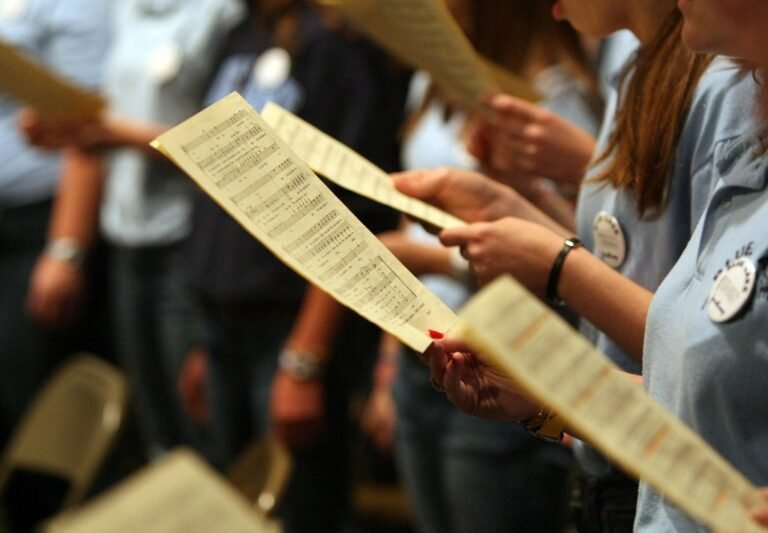
There is a direct, physical link between singing hymns and emotional regulation. The long, metered phrases typical of traditional hymns require deep, controlled breathing. This type of breathing naturally slows the heart rate and signals the nervous system to move out of “fight or flight” mode and into a state of calm. For someone struggling with the physical symptoms of stress, such as a racing heart or shallow breath, the act of singing provides a structured way to physically reset. This physiological shift is a practical, professional-grade method for maintaining composure and emotional balance during high-pressure seasons.
Perspective and the Power of Lament
Mental stability is not just about feeling happy; it is about having the tools to process grief and hardship. Many Scripture-based hymns are “laments” songs that honestly acknowledge suffering while simultaneously pointing toward a solution. These hymns give individuals permission to feel their pain without being overwhelmed by it. By providing a vocabulary for sadness, hymns help prevent the “bottling up” of emotions that often leads to burnout. This balanced perspective ensures that the mind can process difficult realities in a healthy way, leading to long-term emotional maturity and stability.
A Legacy of Enduring Strength
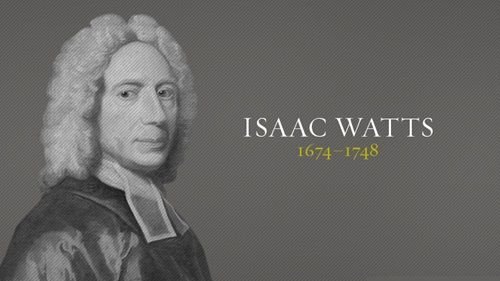
Finally, hymns connect the individual to a “long-term legacy” of mental and spiritual strength. Most classic hymns were written by people who survived significant trauma, yet found the strength to continue. Singing their words today reminds us that we are not the first to face these challenges, and we will not be the last. This sense of historical connection reduces the isolation that often accompanies mental health struggles. By leaning on the wisdom of the past, we develop a durable internal foundation that remains unshaken, proving that the integration of sound doctrine and music is a timeless recommendation for a stable and healthy mind.