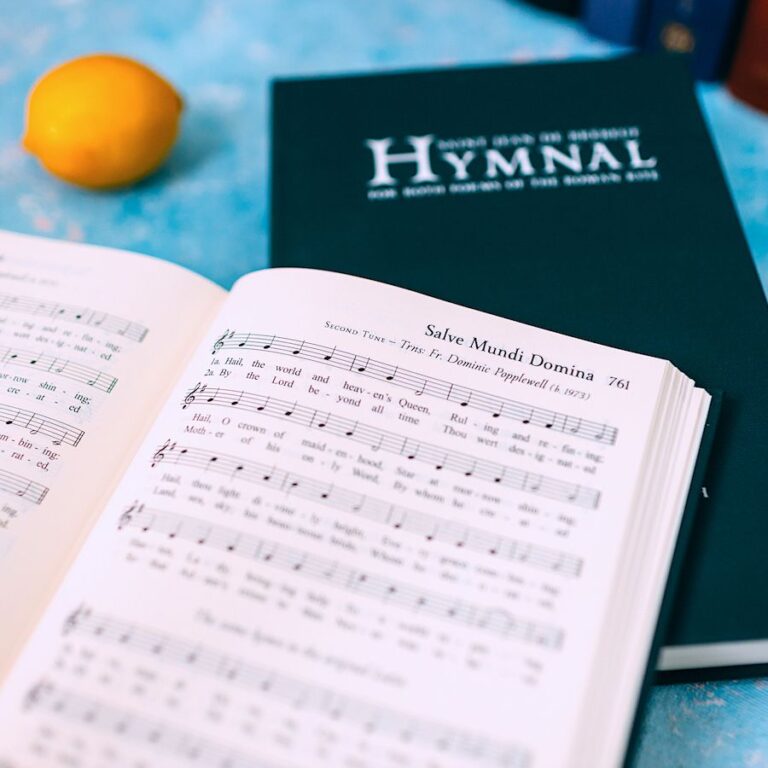
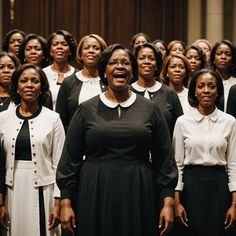
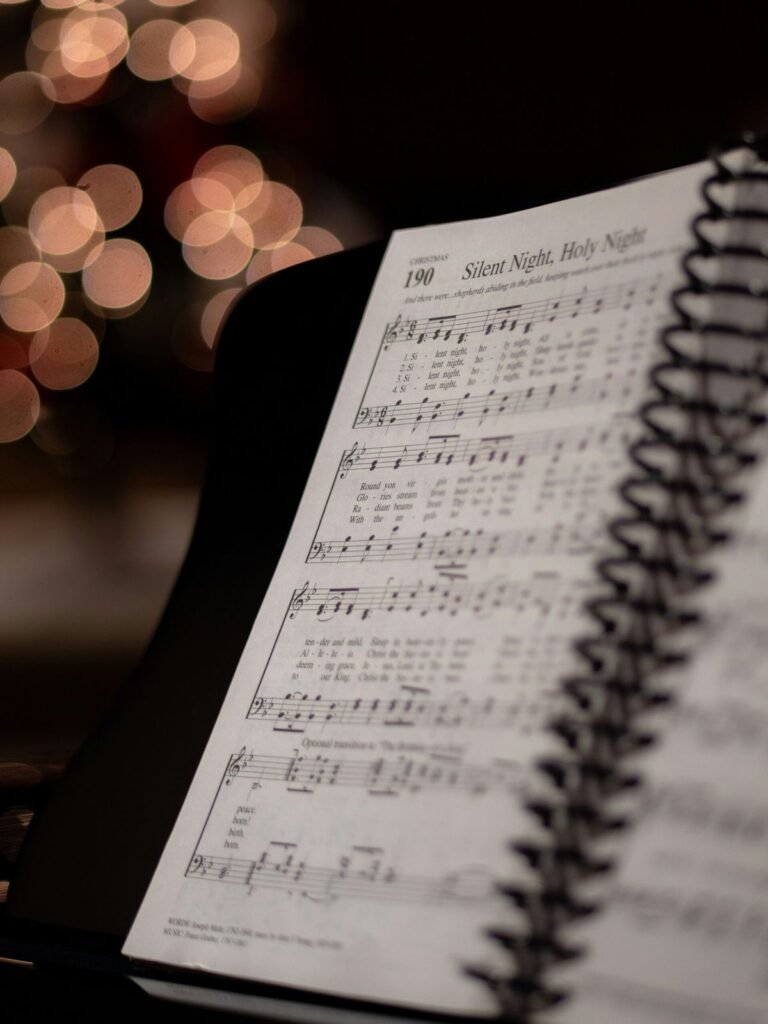
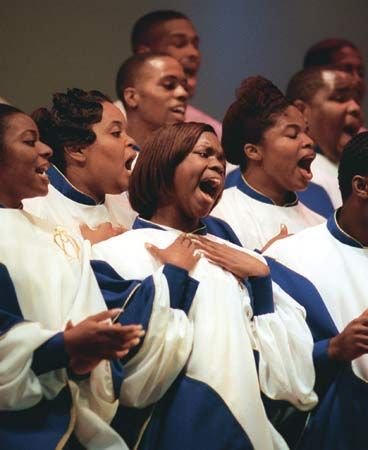
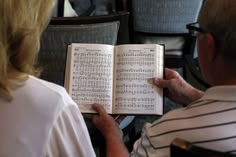
Singing hymns has a unique way of shifting the atmosphere by moving the focus from individual experience to collective unity. In many modern settings, the environment can feel like a performance where the audience watches a stage. However, hymns were designed with a “participatory architecture,” meaning they require the voices of everyone in the room to be complete. When a group of people joins together in a shared melody, the physical and emotional walls between them begin to drop. This shift creates a tangible sense of belonging and community, transforming a room full of strangers into a unified body with a single purpose.
The Weight of Intentional Pace
The atmosphere often changes because hymns introduce a deliberate, slower pace that contrasts with the frantic speed of daily life. Modern music often relies on high energy and fast rhythms to create excitement, but hymns frequently utilize a “majestic” tempo that encourages reflection. This slower cadence acts as a natural sedative for a stressed nervous system, forcing the brain to slow down and engage with the lyrics. By setting this intentional pace, hymns create a “hallowed” space where people feel they have permission to be still, breathe, and think deeply, which is a rare and valuable experience in a noisy world.
Anchoring the Room in History
Hymns carry a “historical weight” that modern songs haven’t yet acquired. When a congregation sings a centuries-old hymn, the atmosphere is charged with the resilience of those who sang the same words through wars, depressions, and personal tragedies. This creates a sense of “temporal depth,” making the current moment feel like part of a much larger, sturdier narrative. For someone walking through a personal crisis, this atmosphere provides a profound sense of security. It reminds them that the truths they are singing have stood the test of time, offering a level of comfort that goes far beyond a catchy tune.
The Clarity of Scriptural Resonance
The atmosphere in worship is often cleared of confusion when the lyrics are rich with clear, simple, and sound doctrine. Hymns function as a “melodic sermon,” and when the atmosphere is filled with objective truths rather than just subjective feelings, it creates a sense of intellectual and spiritual clarity. Participants aren’t just “feeling” their way through the service; they are being grounded in specific ideas. This clarity reduces the “fog” of emotionalism and replaces it with a steady, quiet confidence. As people sing these truths out loud, they are essentially preaching to themselves and one another, which builds a robust and resilient environment.
Physical Synchronization and Peace
Finally, there is a biological reason why hymns change the atmosphere: they synchronize the room. Research suggests that when people sing in harmony, their heart rates and breathing patterns begin to align. This physiological synchronization creates a deep, subconscious sense of peace and cooperation. As the room literally begins to “beat as one,” the atmosphere becomes saturated with a calm power that is both restorative and inspiring. This makes the practice of singing hymns a professional-grade tool for stress reduction and communal bonding, ensuring that the environment remains focused, peaceful, and life-giving long after the final amen.