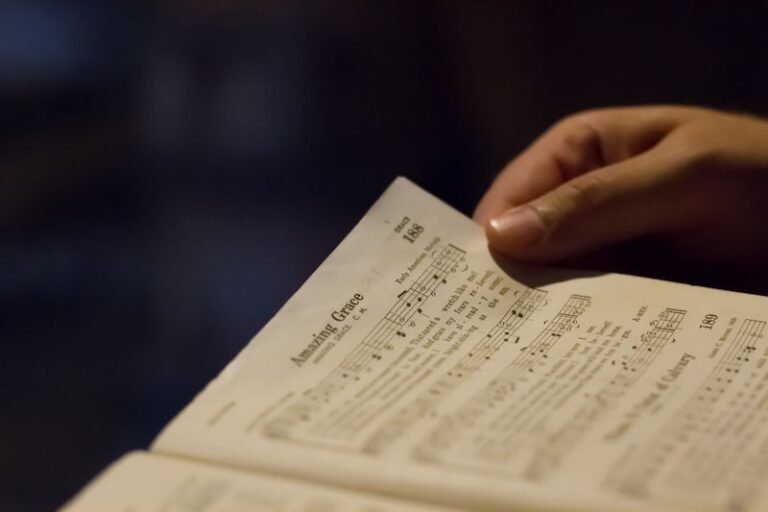
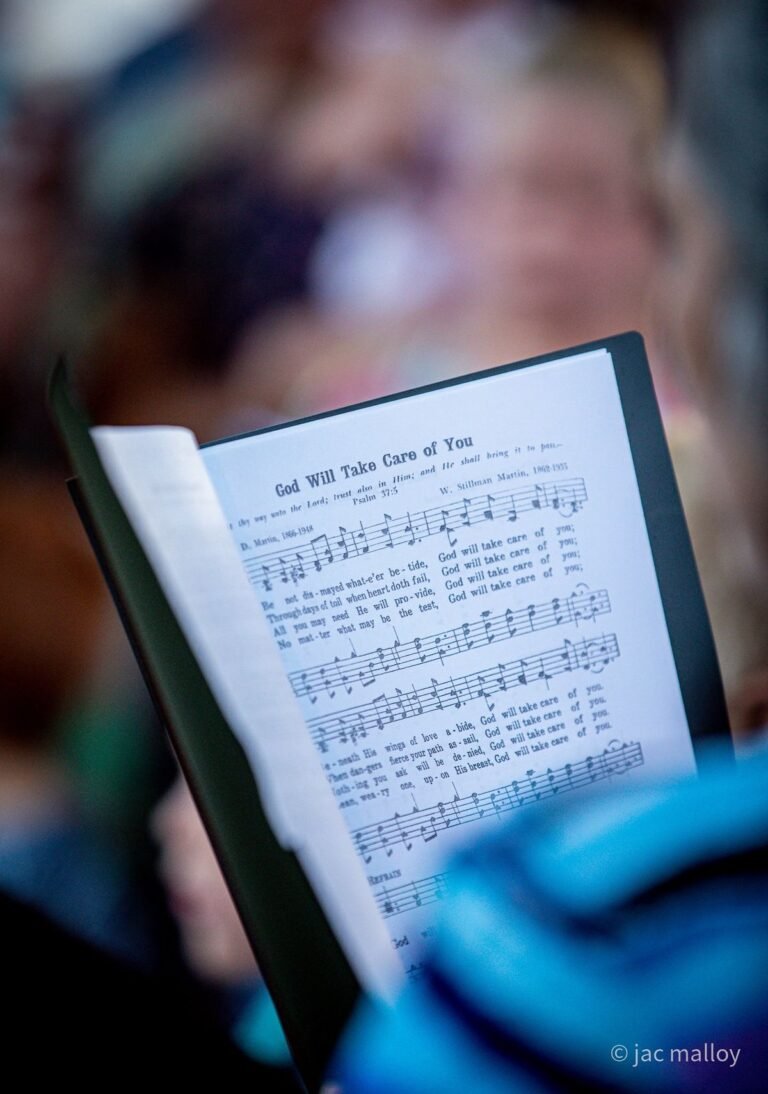
One of the primary reasons hymns maintain such a strong influence is their role as a “musical library” of deep spiritual truths. Unlike many modern songs that focus on short, repetitive choruses, hymns typically move through several verses, each building upon the last to tell a complete story. This structure allows them to explain complex ideas—like the nature of grace or the history of faith—in a way that is easy to digest and remember. For many, these songs act as a steady anchor, providing a level of substance that ensures the core values of the faith are passed down accurately from one generation to the next.
A Universal Language Across Generations
Hymns possess a unique ability to bridge the gap between different age groups, creating a sense of unity that is rare in today’s world. Because these songs have been sung for decades, and in some cases centuries, they represent a shared heritage. When a congregation sings a classic hymn, it connects a young student with a retired professional through the same melody and message. This “generational bridge” helps to prevent the church from feeling fragmented, offering a consistent and familiar language that makes everyone feel they have a place in the community’s history.
Resilience Through Historical Perspective
The influence of hymns is also tied to their incredible resilience. Many of the most famous hymns were written during times of extreme hardship, such as wars, pandemics, or personal loss. Because they were forged in the “fire” of real-world struggle, they carry a weight and an honesty that resonates with people facing modern challenges. When someone sings a hymn today, they aren’t just performing a song; they are tapping into a legacy of strength. This historical perspective reminds worshipers that their current struggles are part of a much larger story of endurance and hope.
The Power of Simple, Memorable Poetry
From a practical standpoint, the poetic structure of hymns makes them incredibly effective tools for learning. The use of rhyme and meter acts as a mnemonic device, meaning the lyrics tend to stick in the human memory much longer than a spoken lecture. This is why many people find themselves humming a hymn during a stressful workday or reciting the verses in moments of crisis. By condensing deep principles into beautiful, rhythmic poetry, hymns ensure that the “lessons” of worship stay with the individual throughout the week, influencing their behavior and professional integrity long after the service has ended.
Adapting Without Losing the Core
Finally, hymns continue to influence worship because they are remarkably adaptable. While the lyrics remain the same, the musical style can be updated to fit modern tastes—whether played on a grand pipe organ or an acoustic guitar. This flexibility allows the “essence” of the hymn to remain relevant in a changing cultural landscape. By focusing on the timeless quality of the message rather than just a specific musical trend, hymns provide a stable foundation for the future. They prove that while the way we express our devotion may change, the fundamental truths we sing about remain as powerful and influential as ever.