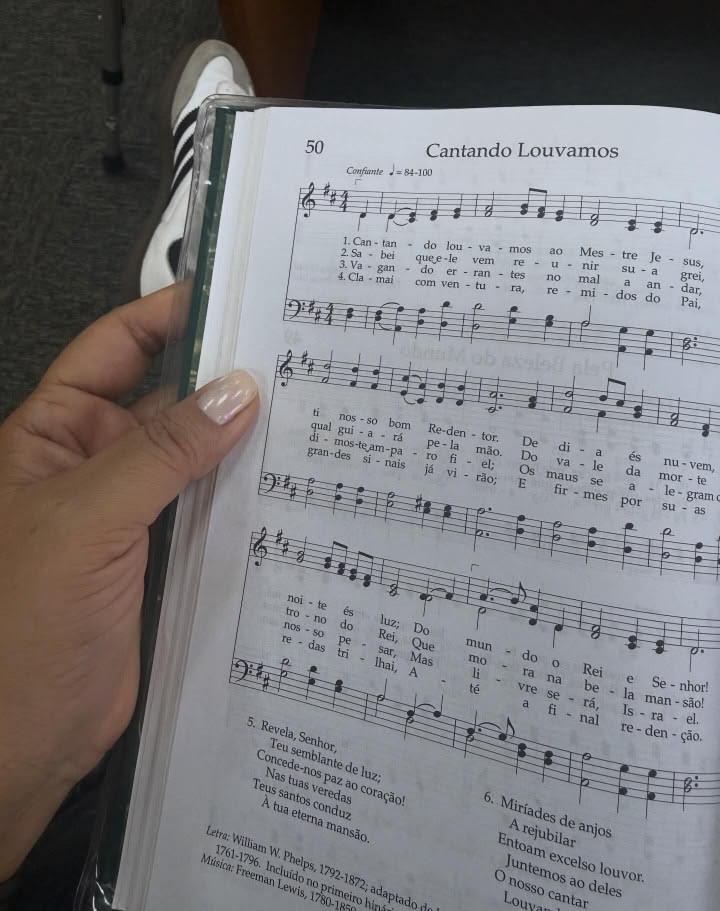
In any conflict—whether spiritual, professional, or personal—adversaries typically rely on a predictable cycle of cause and effect: pressure leads to stress, and stress leads to defeat. “Praise” functions as a radical disruption of this psychological chain. When an individual responds to adversity with an expression of gratitude or a song of triumph, it defies the logical expectations of the opponent. This unexpected response creates a state of “strategic confusion,” as the adversary’s traditional tactics of intimidation and discouragement fail to produce the intended paralysis. By choosing joy in the face of a threat, the defender reclaims the narrative and shifts the atmosphere from one of victimhood to one of victory.
Shifting the Internal Narrative
The “enemy” in many modern contexts is often internal—the voices of anxiety, doubt, and perceived failure. These forces thrive on a diet of negative rumination. Praise serves as a powerful “cognitive interrupt,” forcing the mind to pivot from a problem-centric focus to a solution-centric one. By articulating the character and previous successes of a higher power, the individual reinforces their own resilience. This shift doesn’t just ignore the problem; it diminishes the problem’s influence by magnifying the resources available to solve it. This internal clarity is professional gold, allowing for decisive action when others are overwhelmed by the “noise” of a crisis.
The Power of the Counter-Intuitive Response
Historically and scripturally, the most significant breakthroughs often followed acts of praise that appeared entirely counter-intuitive to the circumstances. The “secret” lies in the fact that praise is a statement of faith in an outcome that has not yet manifested. To an observer or an opponent, this looks like irrationality; to the practitioner, it is a sophisticated form of spiritual and mental warfare. By praising before the resolution, an individual signals that their stability is not contingent on external conditions. This level of emotional intelligence and poise is remarkably disorienting to those who seek to use external circumstances as leverage.
Breaking the Atmosphere of Fear
Fear requires a specific environment to grow—usually one characterized by silence, isolation, and a sense of impending doom. Praise acts as a sensory “flashbang,” flooding that environment with sound, light, and a declaration of presence. In communal settings, shared praise creates a “harmonic shield” that prevents the spread of panic. This is why, in both ancient battles and modern corporate turnarounds, the morale of the team is often the deciding factor. A culture that prioritizes the recognition of the good, even in the midst of the bad, becomes an impenetrable environment for the “enemy” of stagnation and despair.
A Legacy of Resilience
Ultimately, the power of praise to confuse the enemy lies in its long-term impact on character. It is a discipline that builds a “muscle memory” of hope. Over time, the adversary—whether it be a difficult life season or a specific spiritual opposition—recognizes that their attacks only serve to trigger a more profound expression of devotion and strength. This makes the individual “unprofitable” to attack. By making praise a standard operating procedure, you build a professional and personal reputation for unshakeable resilience, ensuring that your future is defined not by the battles you faced, but by the spirit in which you won them.