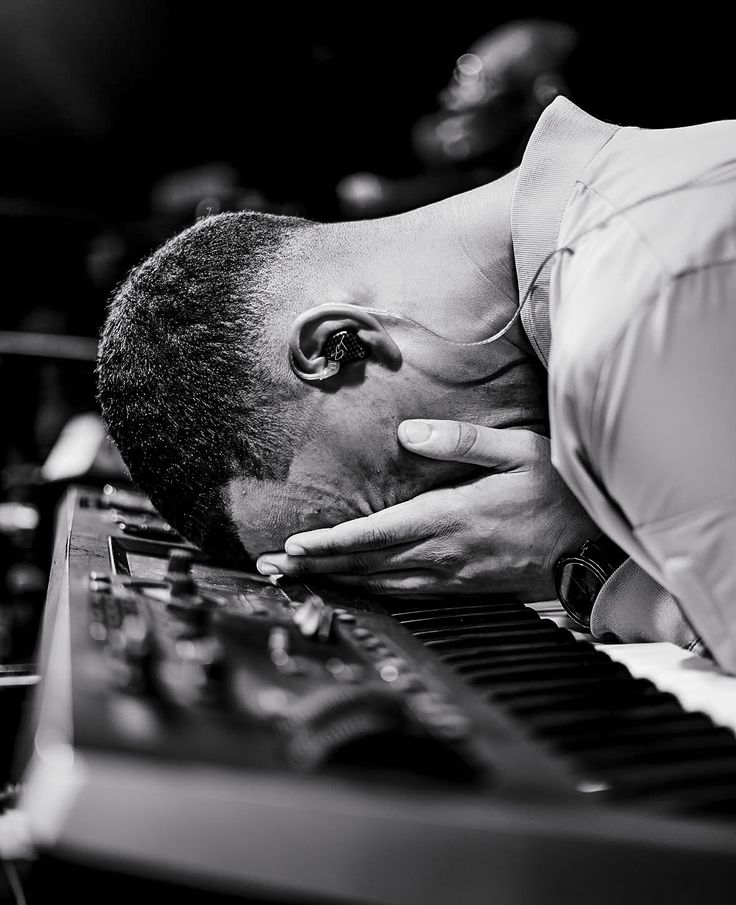
If the Shepherd-King of Israel were to step onto a modern worship stage, the first thing we would likely notice is the seamless integration of high-level skill and raw, unvarnished authenticity. David was not just a musician; he was a master of his craft, known for his ability to soothe the mind of a king with his lyre. Today, he would likely be a proponent of technical excellence, utilizing the best acoustic environments and instruments available. However, this professionalism would never be an end in itself. For David, the “silent sermon” of a well-played chord was merely the vessel for a heart that was completely transparent before its Creator, reminding us that excellence without soul is just performance.
Beyond the Controlled Liturgy
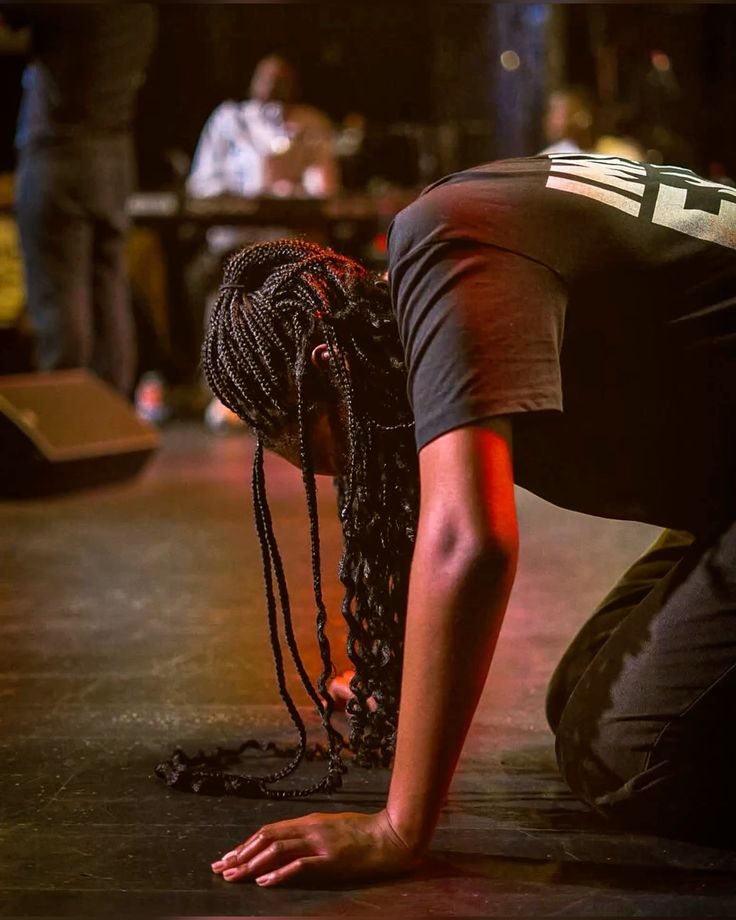
David’s approach to worship was famously uninhibited, often breaking the social and religious protocols of his time to express devotion. Led by David today, our gatherings might lose some of their predictable, time-boxed structure in favor of a more dynamic and responsive atmosphere. He famously danced with a fervor that embarrassed the elite, suggesting that he would prioritize the movement of the spirit over the preservation of decorum. This “holy recklessness” would challenge modern congregations to move beyond a passive, consumerist model of worship and into a space of active, physical, and emotional participation.
The Full Spectrum of Human Emotion
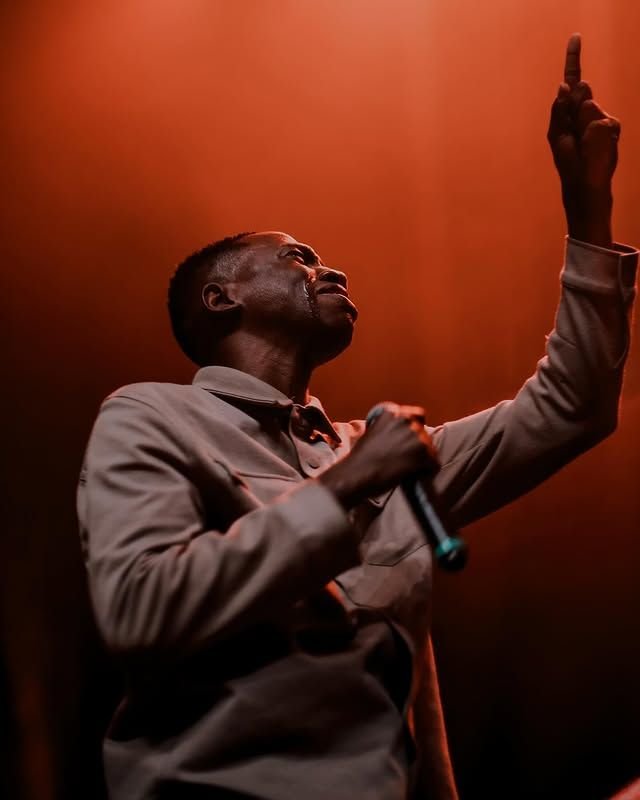
Modern worship often leans heavily toward the celebratory, yet David’s “setlist”—the Psalms—is defined by its emotional diversity. If David led worship today, he would likely insist on space for lament, frustration, and deep questioning alongside songs of praise. He understood that true intimacy requires bringing one’s whole self, including the “dark night of the soul,” into the light. We would see a more robust theological expression that validates human suffering as much as human victory, providing a healthier, more holistic spiritual diet for the community that prevents the “suffocation” of suppressed emotion.
Worship as a Communal Identity
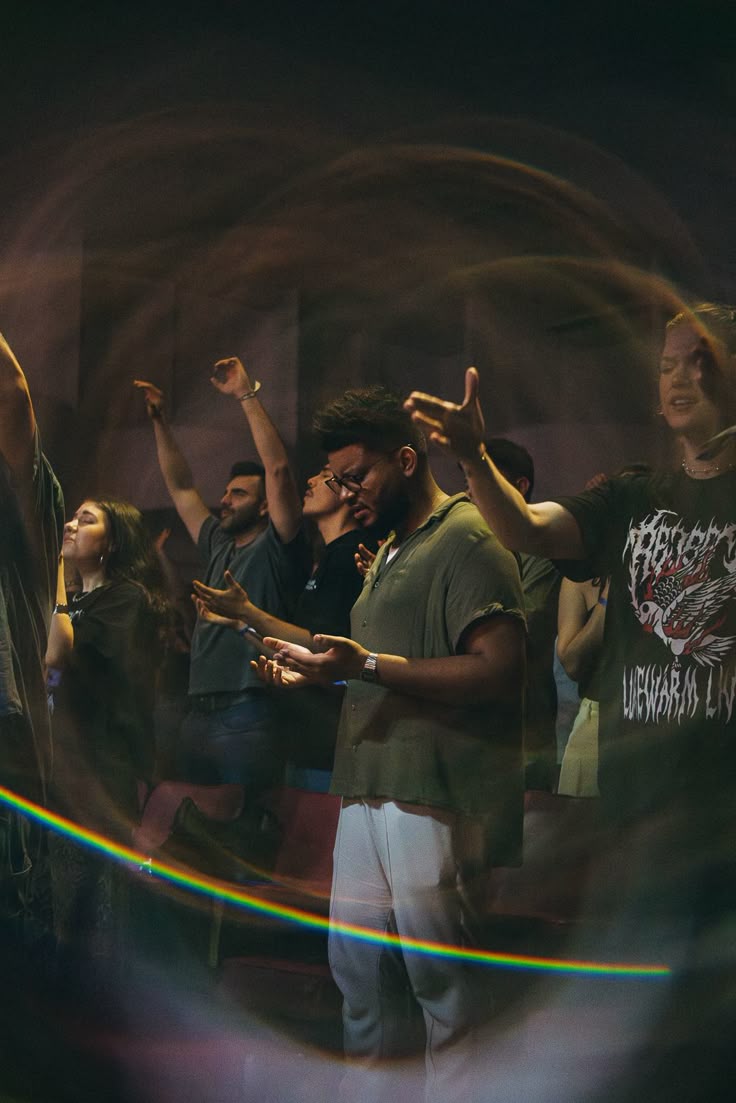
For David, worship was never a private affair; it was the heartbeat of the nation’s identity. He was a leader who understood that the songs a people sing together define who they become. In a contemporary setting, David would likely leverage worship to build a strong sense of communal resilience and shared purpose. He would view the gathered assembly as a “team” designed to impact the world, not just a collection of individuals seeking a personal experience. His leadership would foster a culture where the music serves as a unifying force, bridging social and professional divides to create a cohesive, mission-minded body.
A Legacy of Stewardship
Ultimately, David’s leadership would be characterized by a deep sense of stewardship—of his talent, his platform, and the people under his care. He would likely be an advocate for mentoring the next generation of creatives, ensuring that the “theology of the songbook” remains scripturally sound and culturally relevant. David would remind us that the platform is a temporary gift intended to point toward an eternal reality. By anchoring worship in unchanging principles rather than fluctuating trends, he would build a spiritual infrastructure capable of weathering any cultural transition, leaving a legacy that resonates far beyond the final note of a service.