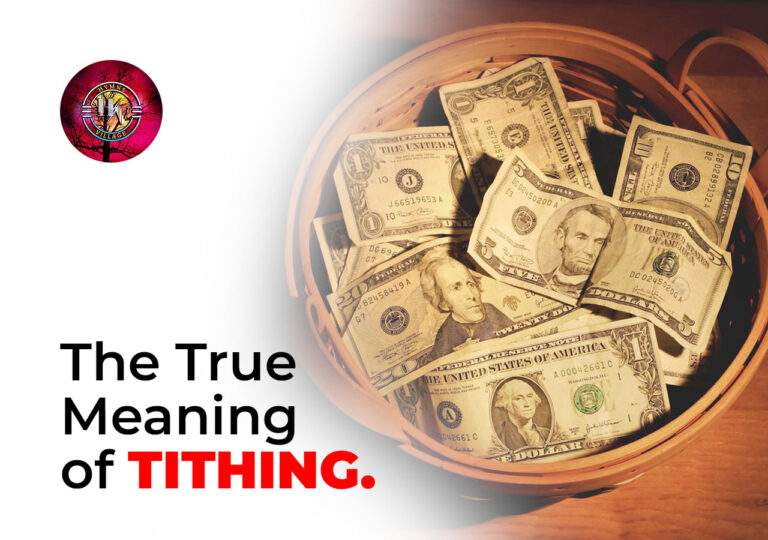
The act of giving is often discussed in terms of its impact on the recipient, but a growing body of evidence suggests that generosity is a powerful catalyst for healing within the giver as well. When an individual chooses to contribute resources, time, or expertise to a cause larger than themselves, they engage in a form of emotional alchemy. By addressing the pain or needs of another, the giver often finds a renewed sense of purpose that mitigates their own feelings of isolation or stagnation. This “healing through giving” transforms a simple transaction into a profound psychological and spiritual restoration.
Breaking the Cycle of Scarcity
Many personal stories of transformation begin at a point of profound deficit. Whether recovering from a professional setback or a personal loss, the natural human inclination is to withdraw and protect what little remains. However, the decision to give during these “lean” seasons acts as a disruptive force against the cycle of scarcity. By intentionally releasing resources when it seems most counterintuitive, individuals often experience a “breaking of the dam”—a shift in perspective that replaces a mindset of lack with one of abundance. This shift is frequently the first step in a larger journey of mental and emotional recovery.
The Science of Social Connection
Generosity serves as a bridge, reconnecting individuals to the human collective in ways that purely self-focused pursuits cannot. Scientific studies on the “helper’s high” indicate that altruistic behavior releases endorphins and oxytocin, hormones associated with trust and social bonding. Stories of transformation often highlight how a single act of service led to an expanded network of support and a deeper sense of belonging. In a professional context, this translates to a more empathetic leadership style and a more resilient workplace culture, where the well-being of the group is intrinsically linked to the health of the individual.
From Trauma to Triumph
Some of the most compelling narratives of healing come from those who have turned their own histories of trauma into platforms for advocacy. By giving back to communities that face similar challenges, survivors of adversity find a way to “reclaim” their narrative. The act of helping others navigate a path you once walked is a powerful form of self-therapy; it validates the struggle while demonstrating that the struggle is not the end of the story. This form of giving provides a sense of agency that is essential for long-term healing, proving that one’s past can become a source of strength for another’s future.
A Legacy of Restored Hope
Ultimately, “giving that heals” is about more than temporary relief; it is about the long-term restoration of hope. These stories of transformation serve as a professional recommendation for anyone seeking a more meaningful engagement with the world. By integrating a practice of consistent generosity into one’s life, the focus moves away from what can be gained to what can be contributed. This outward orientation is a robust defense against the anxieties of modern life, ensuring that even in moments of personal difficulty, the individual remains anchored in the restorative power of a life lived for others.