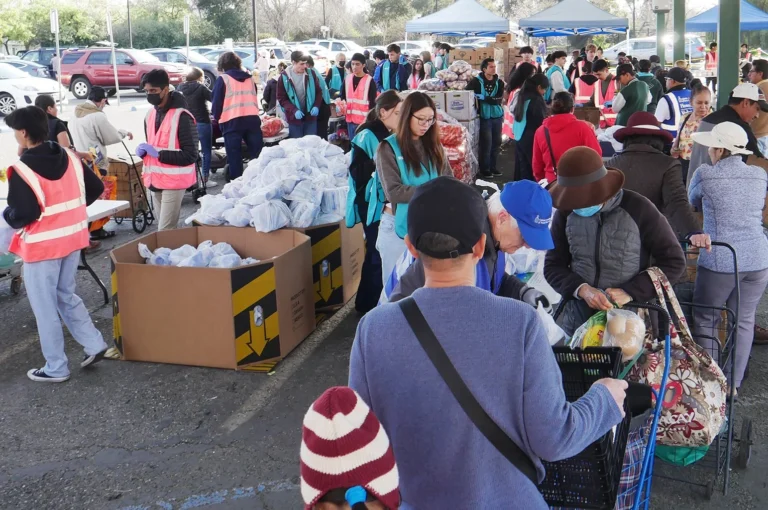
In conventional economics, wealth is managed through accumulation, where security is found in the size of one’s reserves. However, the “Kingdom Economy” operates on a counter-intuitive principle: abundance is unlocked through distribution rather than retention. This framework suggests that resources are not meant to be static pools but flowing conduits. When an individual shifts their perspective from being a “reservoir” to a “channel,” they participate in a dynamic system where the act of giving actually increases the capacity to receive. This isn’t a transactional “pay-to-play” scheme, but a realignment of one’s financial life with a more expansive, spiritual reality.
Breaking the Grip of Scarcity
The primary obstacle to spiritual abundance is a “scarcity mindset”—the persistent fear that there will never be enough. This psychological and spiritual state creates a restrictive grip on resources, leading to anxiety and a narrow focus on self-preservation. Generosity acts as a powerful disruptor to this cycle. By making a conscious decision to give, especially in seasons of uncertainty, an individual makes a practical declaration that their security is not tethered to market fluctuations or bank balances. This release breaks the emotional power that money can hold, clearing the mental space necessary to recognize new opportunities and blessings.
The Stewardship of Influence
In a professional context, the Kingdom Economy views talent, time, and social capital as assets to be stewarded for the common good. True spiritual abundance often manifests as “influence for service” rather than just material gain. When a leader uses their position to elevate others or invests their expertise in projects that serve the vulnerable, they are investing in a currency that does not depreciate. This stewardship creates a reputation for integrity and selflessness, which in turn attracts a higher level of trust and collaborative potential. Abundance, in this sense, is the accumulation of social and spiritual “equity” that opens doors unreachable by financial capital alone.
The Law of Proportionate Increase
There is a recurring observation in the life of the generous that the “harvest” is always proportionate to the “seed.” This is not an invitation to give with a selfish motive, but an acknowledgment of a spiritual law of increase. As an individual demonstrates faithfulness in managing small amounts with a generous heart, they are often entrusted with greater responsibilities and resources. The “unlocking” of abundance is often a gradual process of character refinement; as the heart becomes more trustworthy and less prone to greed, the spiritual capacity to handle greater influence expands accordingly.
Cultivating a Legacy of Impact
Ultimately, the Kingdom Economy is about building a legacy that outlasts the individual. While traditional wealth ends at the finish line of a career or a lifetime, spiritual abundance is measured by the lives transformed and the systems improved. By prioritizing giving as a core pillar of one’s professional and personal identity, an individual ensures that their life’s work contributes to a sustainable, positive impact. This orientation provides a sense of purpose and fulfillment that material success alone cannot offer, anchoring one’s life in a story of contribution that continues to yield “dividends” for generations to come.