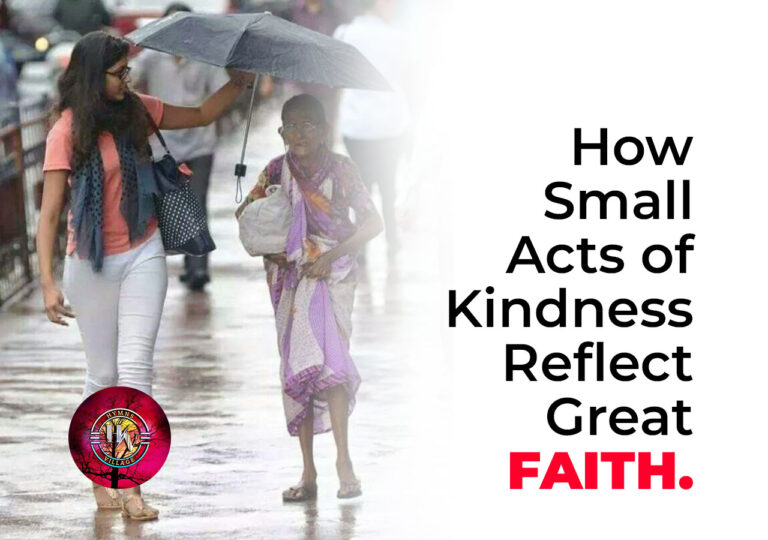
While charity is often viewed as a humanitarian response to a social need, the concept of giving as worship elevates the act into a spiritual discipline. This shift from philanthropy to doxology—the expression of praise—changes the motivation from obligation to invitation. In this framework, donation is not merely a transaction intended to alleviate guilt or solve a systemic problem; it is an acknowledgment of a higher source of provision. By viewing resources through the lens of stewardship rather than ownership, the act of giving becomes a rhythmic recognition of one’s values and a tangible expression of gratitude.
The Dismantling of Materialism
At its core, giving as an act of worship serves as a strategic strike against the grip of materialism. In a culture that often equates personal worth with accumulated wealth, the deliberate act of parting with resources is a declaration of independence. It asserts that an individual is not defined by what they possess, but by their capacity to contribute to a larger cause. This discipline fosters a professional and personal posture of open-handedness, preventing the stagnation that occurs when success is hoarded rather than circulated. In this sense, the giver is as much a beneficiary of the act as the recipient.
Integrity in Stewardship
Professional excellence is often measured by how well one manages assets, and the spiritual dimension of giving applies this same rigor to personal ethics. When donation is viewed as worship, it demands a high level of intentionality and research. It is no longer about a reactive response to a persuasive emotional appeal, but a proactive investment in “good soil.” This approach encourages individuals to seek out organizations and initiatives that demonstrate transparency and high impact, ensuring that the “sacrifice” of the gift is matched by the integrity of its application.
The Communal Impact of Shared Sacrifice
Worship is rarely a solitary endeavor; it is a communal experience that binds people together toward a common vision. When giving is integrated into the collective life of a community, it creates a powerful engine for social transformation. This shared sacrifice fosters a sense of solidarity and mutual responsibility that transcends simple altruism. By pooling resources with a worshipful intent, a group can address complex challenges with a level of resilience and long-term commitment that temporary charitable trends cannot sustain. The act of giving thus becomes a bridge-building exercise, connecting diverse individuals through a unified purpose.
Cultivating a Heart of Abundance
Ultimately, the secret to viewing donation as worship lies in the cultivation of an abundance mindset. While charity often focuses on the “scarcity” of the recipient, worship focuses on the “abundance” of the source. This perspective allows individuals to give with joy and confidence, even during periods of economic uncertainty. It transforms the donor from a distant benefactor into a passionate participant in a grander narrative. By making generosity a central pillar of one’s lifestyle, the act of giving ceases to be an occasional event and becomes a continuous, silent sermon that inspires others toward a life of purpose and professional grace.