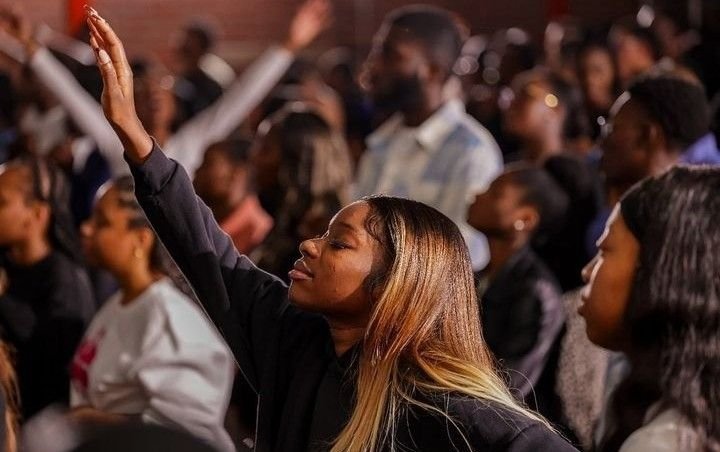
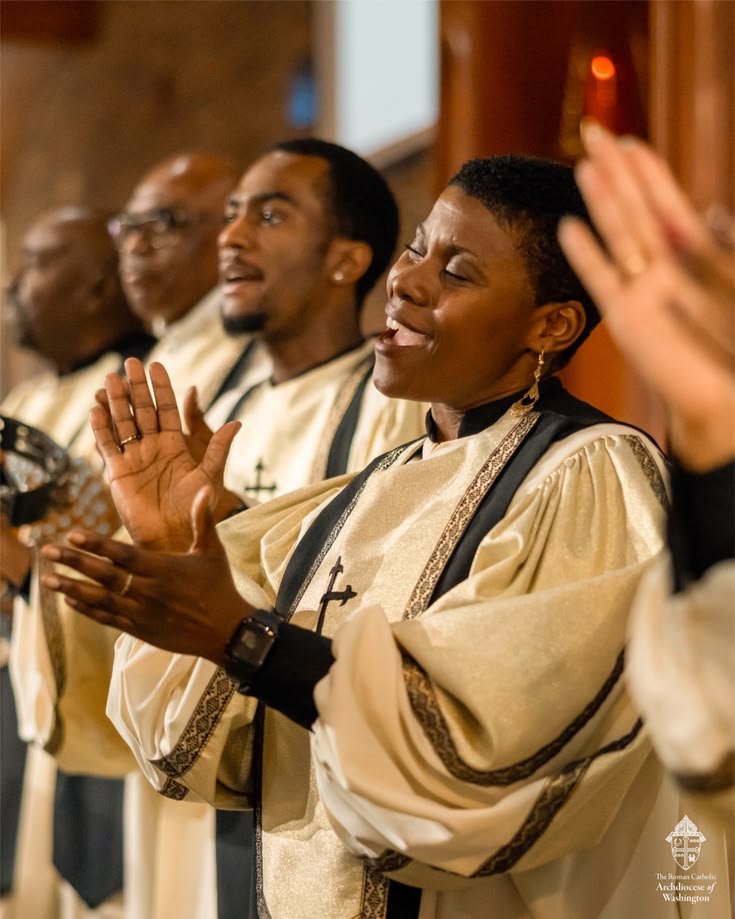
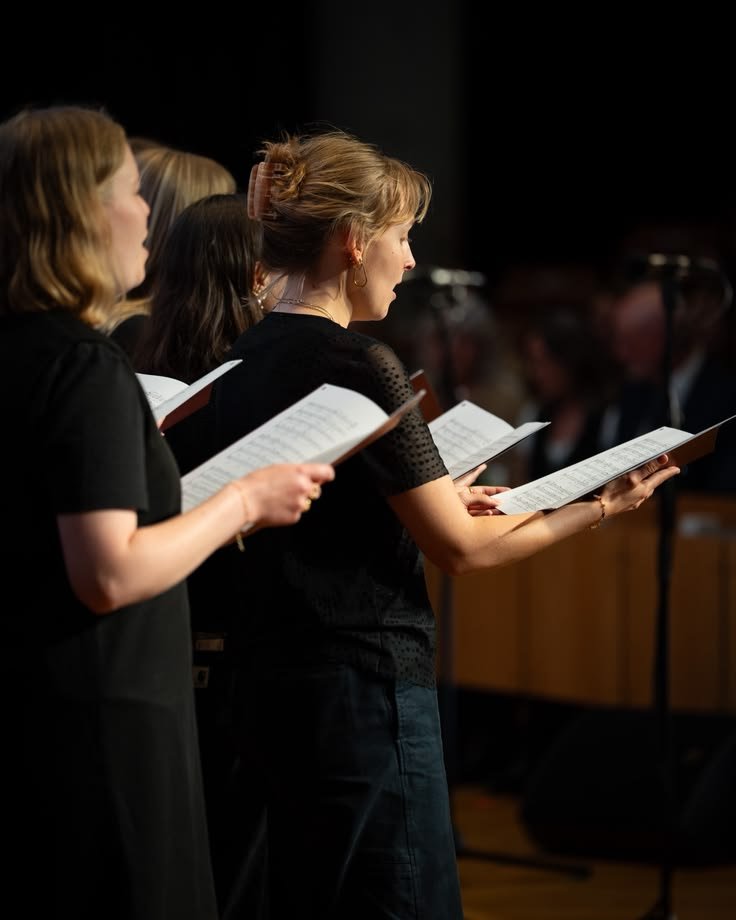
In periods of personal or societal upheaval, the human psyche naturally seeks stability amidst the chaos. Hymns provide this grounding by acting as a spiritual and emotional anchor, tethering the individual to truths that remain unchanged despite shifting circumstances. While modern discourse is often reactionary and transient, hymns draw from a deep well of historical endurance. They remind the listener that they are part of a long lineage of individuals who have faced similar trials and found a path through them, offering a sense of continuity that is inherently restorative.
The Physiology of Peace
The peace derived from hymns is not merely psychological; it is deeply physiological. The act of singing, especially in a slow and measured meter, regulates breathing and stimulates the vagus nerve, which helps to lower cortisol levels and trigger the body’s relaxation response. Furthermore, the predictable structure of a hymn—its steady rhythm and familiar harmonic progressions—provides a sensory “safe harbor.” For someone experiencing the high-frequency static of anxiety, the melodic order of a traditional hymn acts as a counter-frequency, imposing a sense of calm and structural integrity onto a fractured internal state.
Words for the Wordless
One of the most distressing aspects of troubled times is the loss of language; pain often renders us articulate-less. Hymns provide a vital service by lending their vocabulary to our unspoken grief and hope. The lyricists of the past often penned their most famous lines in the crucible of intense suffering, resulting in a raw, honest expression that resonates across centuries. When a person sings these words, they find their own burdens articulated with a precision and beauty they could not achieve on their own. This act of “naming” the struggle through song is a critical step in moving from a state of distress to one of peace.
The Perspective of Eternity
Hymns are uniquely effective at recalibrating one’s perspective, shifting the gaze from the immediate crisis to a broader, eternal horizon. Most hymns are structured to move from a description of earthly struggle to a declaration of ultimate hope. This narrative arc forces a mental pivot: it acknowledges the reality of the “troubled times” while simultaneously asserting that these times are temporary. By framing current hardships within a much larger story of redemption and eventual resolution, hymns diminish the overwhelming power of the present moment, allowing peace to take root in the space created by hope.
A Communal Solace
Finally, the peace found in hymns is amplified by its communal nature. Even when sung in solitude, hymns carry the “ghost voices” of the millions who have sung them before. This creates a profound sense of solidarity, breaking the isolation that so often accompanies suffering. To sing a hymn is to join a global, historical choir that affirms the presence of a steady hand at the helm of history. This collective witness serves as a powerful professional and personal recommendation for the use of music as a therapeutic tool, proving that some of the most effective medicine for the soul is found in the simple, rhythmic profession of faith.