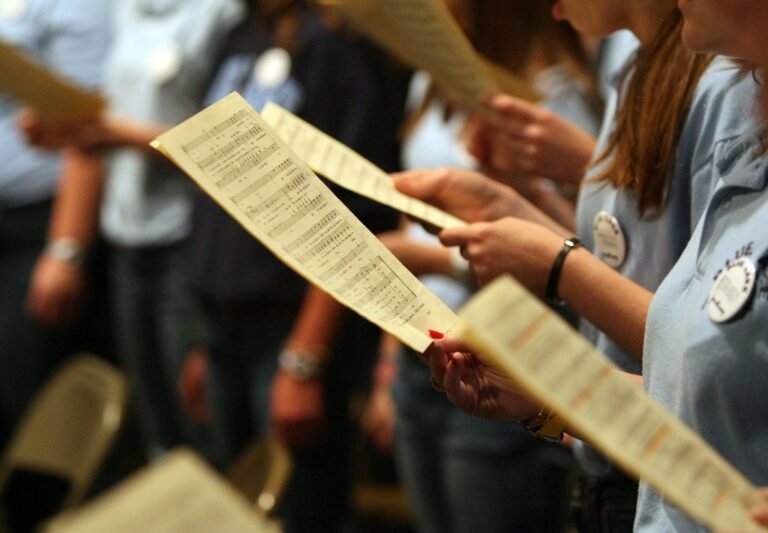
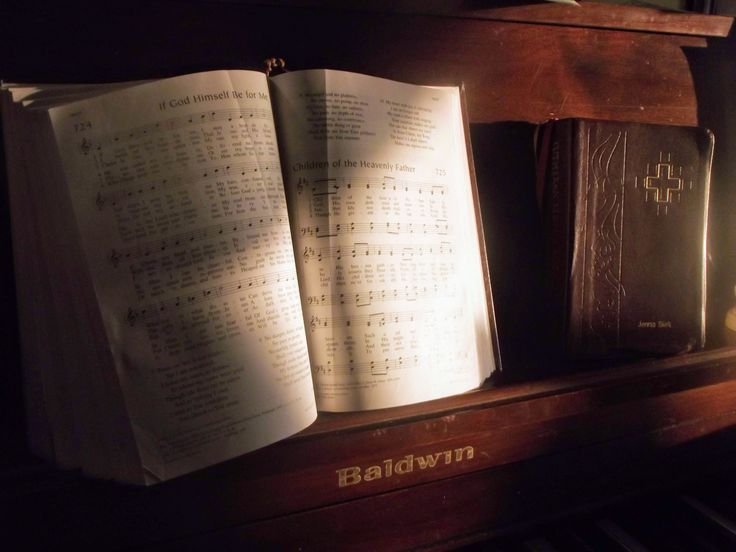
While the pulpit is the traditional center of theological instruction, the pews often learn their deepest truths through melody. Hymns function as a “melodic catechism,” translating complex theological abstractions into a language that is easily internalized and remembered. Because music engages both the analytical and emotional centers of the brain, a well-crafted hymn can anchor profound doctrinal concepts in the believer’s mind more effectively than a standalone lecture. When a congregation sings, they are not merely performing a musical interlude; they are participating in a communal reinforcement of their shared faith.
Poetry as a Vehicle for Truth
The brilliance of a great hymn lies in its poetic economy. Hymn writers are tasked with condensing vast biblical narratives and intricate dogmas into metered verses and rhyming schemes. This forced brevity strips away academic jargon, leaving behind the core essence of the doctrine. For instance, the doctrine of the Incarnation or the Trinity can be expressed through evocative imagery that captures the imagination without sacrificing theological integrity. This poetic approach allows the singer to “feel” the weight of the truth, making the doctrine accessible to the child and the scholar alike.
The Power of Repetition and Rhythm
Educationally, repetition is the bedrock of retention. Unlike a sermon, which is typically heard once, a hymn is sung repeatedly over weeks, years, and generations. The rhythmic structure and melodic hooks act as mnemonic devices, ensuring that the lyrics—and the theology they carry—remain accessible in the long-term memory. In moments of crisis or transition, individuals rarely recall the three points of a specific sermon, but they can often recite the stanzas of a hymn. This durability makes hymns one of the most resilient vessels for preserving sound doctrine within a faith community.
Emotional Resonance and Conviction
Sound doctrine is intended to move beyond the intellect and transform the affections. Hymns bridge this gap by pairing objective truth with subjective experience. By setting “theology to music,” the objective facts of faith are experienced as deeply personal realities. A hymn about the sovereignty of God, for example, provides a sense of peace that a clinical definition cannot. This emotional resonance doesn’t bypass the mind; rather, it provides the “heart-logic” that turns intellectual assent into lived conviction, teaching the worshiper to love the truths they are professing.
Guarding the Faith Through Song
In the history of the church, hymns have often served as a frontline defense against theological drift. In eras where literacy was low or Bibles were scarce, the songs of the church functioned as the primary source of biblical literacy. Even today, the “theology of the songbook” often dictates the actual beliefs of a congregation more than the formal statements of faith. By carefully selecting hymns that are rich in scriptural truth, leaders ensure that the congregation is “preaching” to one another in a way that is subtle, beautiful, and remarkably persistent.