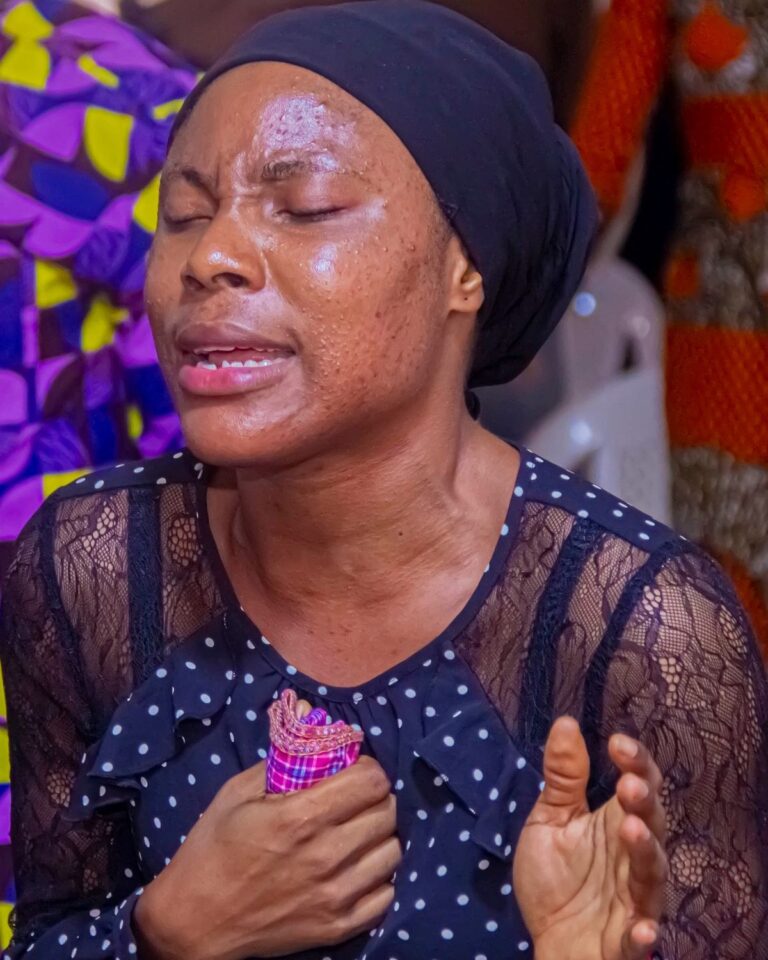
Worship is a global phenomenon that transcends linguistic barriers, yet it is profoundly shaped by the cultural soil in which it grows. While the core intent remains a directed expression of reverence toward the Divine, the “language” used—be it through silence, dance, or intricate liturgy—reflects the unique history and values of a people. Across the globe, these diverse expressions illustrate a singular human truth: the desire to connect with something greater than oneself is universal, even if the vocabulary of that connection varies wildly between a cathedral in Europe and a village in the Global South.
Sonic Landscapes and Sacred Sound
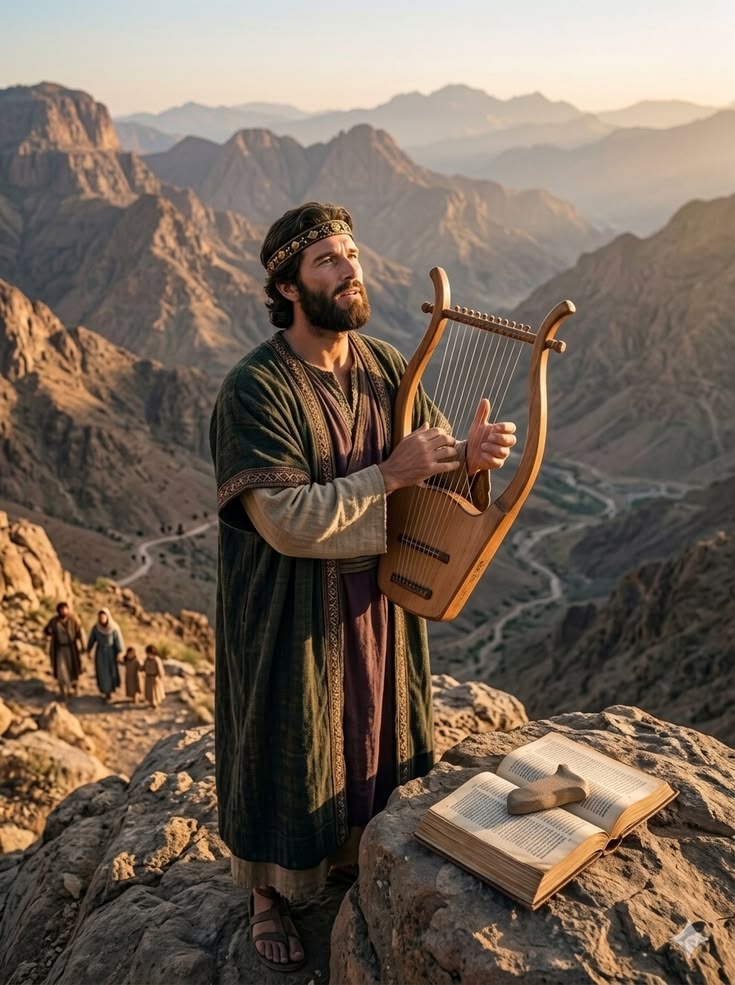
In many Eastern and African traditions, worship is an auditory experience that prioritizes communal rhythm and oral tradition. From the meditative, repetitive chants of Gregorian or Vedic styles to the high-energy, polyrhythmic drumming found in West African services, sound acts as a bridge between the physical and the spiritual. These sonic landscapes are not merely background noise; they are calibrated to evoke specific emotional states—awe, repentance, or exuberant joy—demonstrating that the “grammar” of worship often relies more on frequency and feeling than on literal prose.
The Iconography of the Sacred
Visual art and architecture provide another critical dialect in the language of worship. In Orthodox and Catholic traditions, icons and stained glass serve as “windows to heaven,” telling sacred stories to those who may not speak the formal language of the clergy. Conversely, in Islamic or Reformed Protestant traditions, the emphasis often shifts toward calligraphy or the stark simplicity of a space, emphasizing the transcendence of the Divine through the absence of human-like imagery. These aesthetic choices are deliberate, teaching the worshiper how to perceive the sacred through the lens of their specific cultural heritage.
Embodied Prayer and Ritual Motion
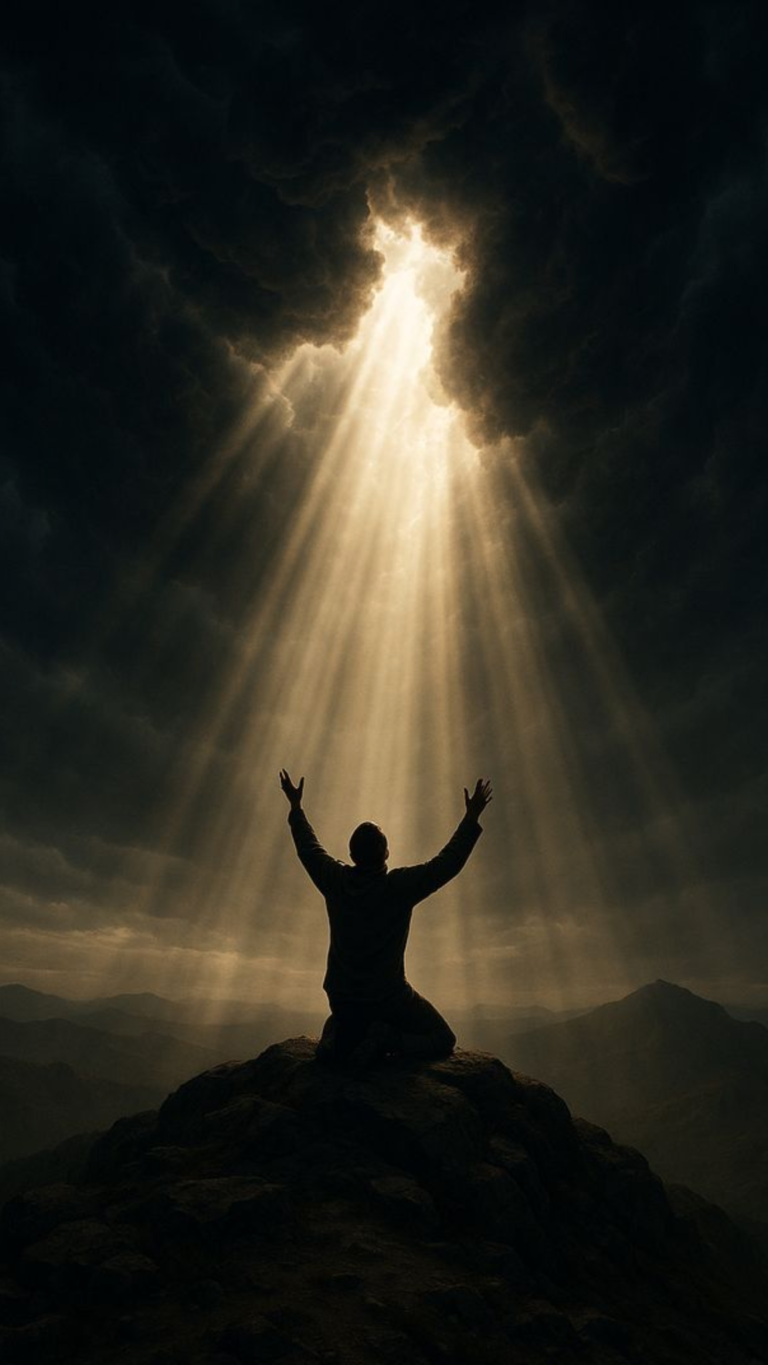
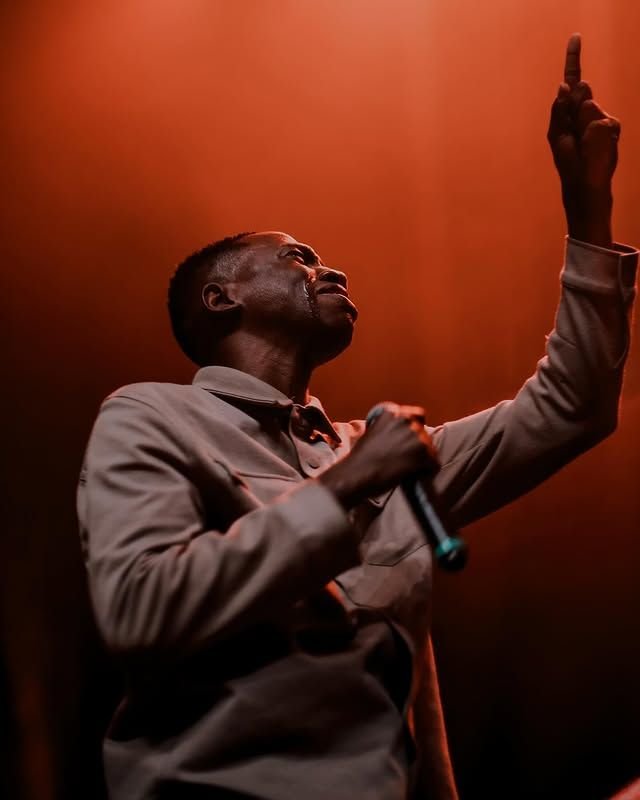
Beyond words and sights, worship is frequently an embodied act. The physical posture of a believer—whether it is the prostration of Sajdah in Islam, the raised hands of a Pentecostal service, or the disciplined stillness of a Quaker meeting—communicates a specific theology of the body. These movements are a non-verbal language of surrender and alignment. By engaging the senses of touch and motion, cultures transform abstract beliefs into tangible experiences, ensuring that faith is not just a mental exercise but a lived reality that involves the entire person.
The Synthesis of Modernity and Tradition
As our world becomes increasingly interconnected, the language of worship is undergoing a fascinating synthesis. Modern technology and global migration have allowed diverse traditions to bleed into one another, creating “hybrid” expressions that honor ancient roots while utilizing contemporary mediums. This evolution proves that the language of worship is not a static relic of the past but a living, breathing dialogue. It continues to adapt, ensuring that the ancient call to devotion remains relevant and resonant for a professional, globalized audience seeking depth in a fast-paced world.