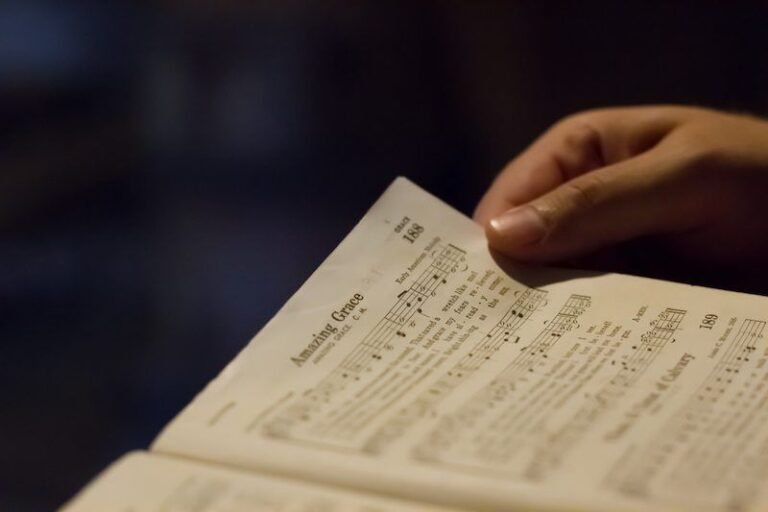
Worship is one of the most intimate ways believers connect with God, and hymns have long served as a powerful vehicle for that connection. Beyond simply singing them in church services, hymns can also be meditated upon as a form of personal worship. Hymn meditation involves thoughtfully reflecting on the words, meaning, and message contained within a hymn. When believers slow down and consider the truths expressed in these sacred songs, worship becomes deeper, more personal, and spiritually enriching.
Hymns are often rich in theology, scripture, and heartfelt devotion. Many of them were written during times of deep faith, struggle, or spiritual revelation. Meditating on the lyrics allows believers to uncover layers of meaning that might otherwise go unnoticed during a quick congregational sing. Each line can serve as a reminder of God’s faithfulness, grace, and promises. Through this reflection, hymns become more than music; they become prayers and declarations of faith.
Hymn meditation also helps cultivate a quiet and focused heart before God. In a world filled with distractions, taking time to slowly read or sing a hymn and reflect on its message can create a sacred moment of stillness. Believers may pause at certain phrases, connect them with scripture, or even turn them into personal prayers. This practice allows worship to move from the lips into the heart, strengthening one’s spiritual awareness and reverence for God.
Additionally, hymn meditation can deepen a believer’s understanding of biblical truths. Many traditional hymns are built upon scriptural foundations and convey powerful messages about salvation, redemption, hope, and divine love. As individuals meditate on these messages, they are reminded of God’s character and His work in their lives. This reflection strengthens faith and encourages believers to live according to the principles expressed in the hymns they cherish.
Ultimately, worshipping God through hymn meditation transforms music into a spiritual discipline. It invites believers to engage not only their voices but also their minds and hearts in worship. By thoughtfully reflecting on the words of hymns, believers can experience a richer and more meaningful connection with God. In doing so, hymns continue to serve their timeless purpose drawing hearts closer to the Creator in reverence, gratitude, and praise.