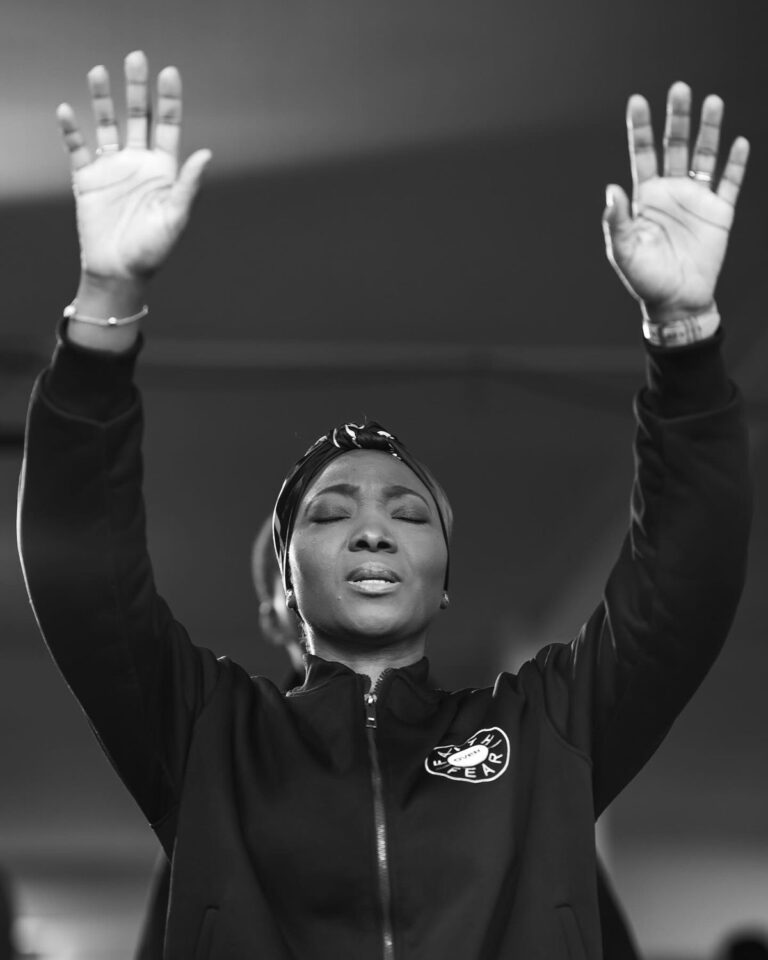
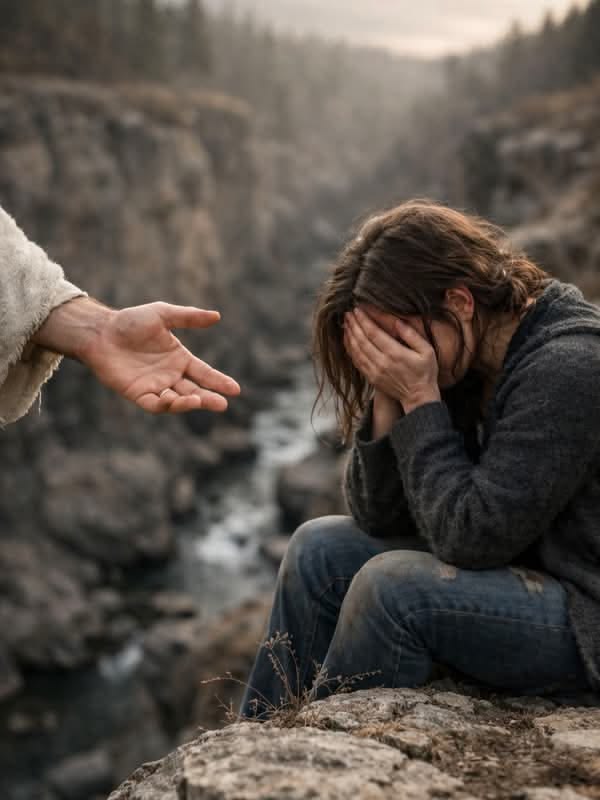
Faith and fear are two powerful forces that influence human decisions, emotions, and actions. Though they often appear in similar situations, they lead people in completely opposite directions. Faith inspires confidence, hope, and trust in God’s promises, while fear produces doubt, anxiety, and uncertainty. In many moments of life, especially during challenges and uncertainty, individuals must choose whether to respond with faith or surrender to fear.
Faith is the belief and trust in God even when circumstances seem difficult or unclear. It allows believers to remain hopeful, knowing that God’s plan is greater than human understanding. Faith encourages patience, perseverance, and courage. It reminds Christians that God is always present, guiding and strengthening them through every trial. When a person walks in faith, they rely on divine assurance rather than visible evidence.
Fear, on the other hand, focuses on possibilities of failure, loss, or danger. It often grows from uncertainty and lack of trust in what lies ahead. Fear can limit potential by preventing people from taking steps forward or trusting in God’s promises. When fear dominates the mind, it clouds judgment and weakens spiritual confidence, making challenges appear larger than they truly are.
The key difference between faith and fear lies in where trust is placed. Faith places trust in God’s power, love, and faithfulness, while fear places trust in problems, limitations, and negative outcomes. Faith says that with God all things are possible, while fear whispers that the obstacles are too great to overcome. One builds strength and hope; the other feeds doubt and discouragement.
For believers, choosing faith over fear is an essential part of spiritual growth. It does not mean the absence of challenges, but it reflects the decision to trust God despite them. When faith becomes stronger than fear, individuals gain the courage to move forward, confident that God’s presence will lead them through every situation and toward a greater purpose.