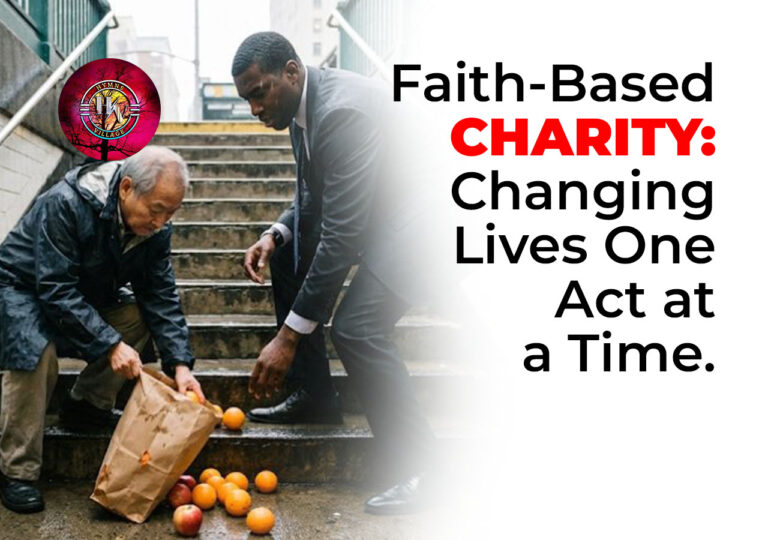
Donation has traditionally been viewed as a spontaneous act of goodwill an immediate response to visible need or emotional appeal. While this form of giving remains important, contemporary approaches increasingly emphasize intentional and informed donation. The focus is shifting from how much is given to how effectively those resources create meaningful and lasting outcomes.
A key aspect of smart donation is alignment. Donors are now more likely to support causes that reflect their values, professional expertise, or long-term social priorities. This alignment encourages sustained engagement rather than one-time contributions, allowing charitable initiatives to plan more effectively and achieve deeper impact. For example, supporting education programs, healthcare access, or skills development often produces benefits that extend beyond the initial recipient to families and communities.
Transparency has also become central to modern donation practices. Donors expect clear information about how funds are allocated, what percentage reaches beneficiaries, and what measurable results are achieved. Organizations that provide regular reports, impact assessments, and verifiable outcomes tend to build stronger trust and attract consistent support. This accountability transforms donation from a purely emotional act into a strategic partnership between giver and institution.
Another emerging dimension is the diversification of what constitutes a donation. Financial contributions remain vital, but professionals increasingly donate time, knowledge, and networks. Mentoring young people, offering pro bono services, or facilitating access to opportunities can generate value that exceeds monetary support. Such contributions strengthen institutional capacity and promote sustainable development.
However, effective donation also requires balance. Overconcentration on popular causes can leave less visible but equally critical needs underfunded. A thoughtful donor considers both urgent humanitarian appeals and long-term developmental projects, ensuring that generosity addresses immediate suffering while also reducing future vulnerability.
In conclusion, donation is evolving into a more structured and impact-oriented practice. By aligning contributions with clear goals, supporting transparent organizations, and expanding the definition of what it means to give, donors can play a strategic role in social progress. Thoughtful donation not only alleviates present challenges but also helps build systems that enable individuals and communities to thrive independently.