
Hymns have long held a sacred place in Christian worship and devotion. Sung across generations, cultures, and traditions, hymns are more than melodies set to words—they are prayers, declarations of faith, and testimonies of God’s faithfulness. In moments of joy, sorrow, repentance, and hope, hymns have given believers language to express their hearts before God.
In this Worship & Devotion reflection, we explore what hymns are, why they matter, and how they continue to shape Christian faith, worship, and personal devotion today.
What Are Hymns?
Hymns are sacred songs of praise and devotion, written to glorify God and teach spiritual truth. Unlike many other forms of music, hymns are intentionally crafted for congregational singing, allowing worshippers to lift their voices together as one body.
Key characteristics of hymns include:
• Lyrics rooted in Scripture and theology
• Structured verses and melodies
• A focus on God’s character, works, and promises
Hymns give believers a shared language of worship that unites hearts and voices.
Hymns as Expressions of Faith
Hymns are deeply connected to faith. They articulate beliefs, affirm doctrine, and express trust in God through poetic language and melody.
Through hymns, believers:
• Proclaim who God is
• Remember what He has done
• Declare hope in His promises
Many hymns serve as confessions of faith, helping believers hold onto truth even in difficult seasons.
Hymns Rooted in Scripture
One of the greatest strengths of hymns is their strong biblical foundation. Many hymn lyrics are inspired directly by Scripture or reflect key biblical themes.
Examples include:
• Praise drawn from the Psalms
• Salvation themes rooted in the Gospel
• Hope grounded in God’s eternal promises
Singing hymns becomes a way of singing Scripture, allowing God’s Word to dwell richly in the hearts of worshippers.
Hymns in Corporate Worship
In gathered worship, hymns play a powerful role in uniting believers. When a congregation sings together, worship becomes a shared act of faith.
Hymns in corporate worship:
• Encourage unity and participation
• Connect generations through shared tradition
• Create moments of reverence and reflection
Whether accompanied by organ, piano, choir, or simple voices, hymns invite everyone to participate in worship.
Hymns in Personal Devotion
Hymns are not limited to church services. They are deeply meaningful in personal devotion and prayer.
In private worship, hymns:
• Provide comfort during trials
• Help focus the heart during prayer
• Strengthen faith through remembrance
Many believers turn to hymns during moments of grief, uncertainty, or gratitude, finding peace in their familiar words.
The Emotional and Spiritual Power of Hymns
Hymns speak to both the heart and the mind. Their melodies stir emotion, while their lyrics ground faith in truth.
Hymns can:
• Bring peace in times of sorrow
• Inspire hope during hardship
• Awaken joy and gratitude
Because hymns often emerge from lived experiences of faith, they resonate deeply with the human journey.
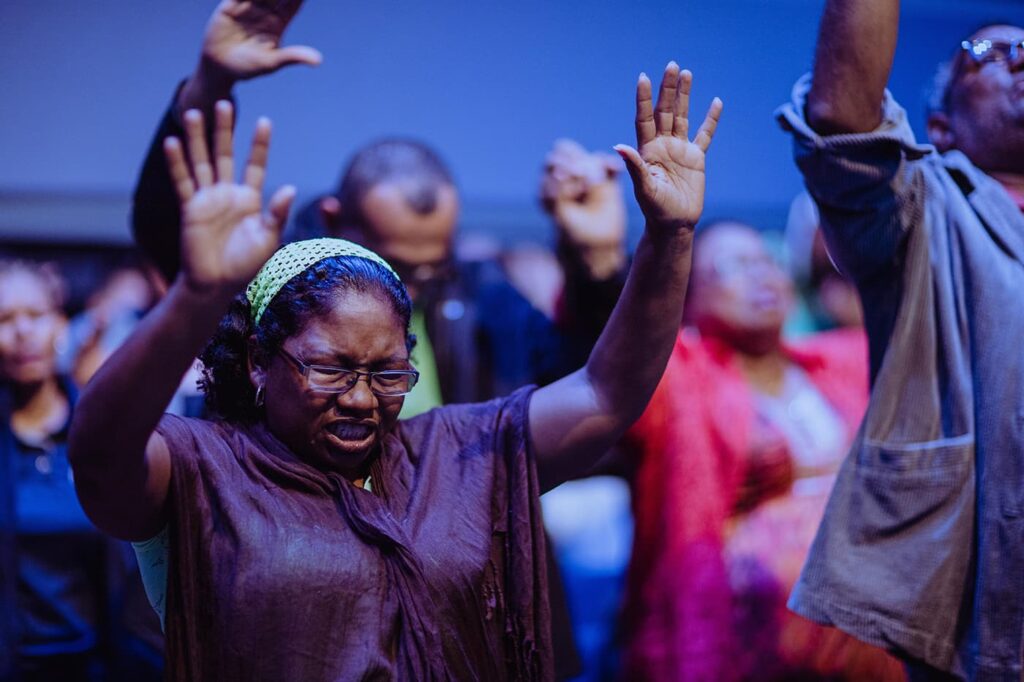
Hymns That Carry the Faith of Generations
Hymns connect modern worshippers to centuries of believers who sang the same truths long before.
This continuity:
• Preserves theological depth
• Honors the faith of those who came before
• Reminds believers they are part of a larger story
Singing hymns is a way of standing in the stream of historic Christian worship.
Hymns and Teaching the Faith
Hymns have historically served as tools for teaching Christian doctrine. Before widespread literacy, hymns helped believers learn and remember biblical truths.
Even today, hymns:
• Reinforce core beliefs
• Shape spiritual understanding
• Teach theology in memorable ways
What believers sing often shapes what they believe.
Hymns in a Changing Worship Landscape
As worship music continues to evolve, hymns remain relevant. Many churches now blend traditional hymns with contemporary arrangements.
Modern expressions include:
• Updated musical settings
• Hymns sung alongside contemporary worship songs
• New hymns written in traditional styles
These adaptations help preserve hymnody while making it accessible to new generations.
Why Hymns Still Matter Today
In a fast-changing world, hymns offer stability, depth, and rootedness.
Hymns matter because they:
• Anchor worship in truth
• Encourage thoughtful reflection
• Keep faith centered on God rather than trends
They remind believers that worship is about who God is, not how current the music sounds.
Hymns remain a vital expression of worship and devotion, carrying faith through words and melody across time. They teach, comfort, unite, and inspire, drawing hearts closer to God in both public worship and private prayer.
As believers continue to sing hymns, they participate in a sacred tradition—one that honors the past, enriches the present, and points faithfully toward the hope of what is to come.
I’m truly enjoying the design and layout of your site.
It’s a very easy on the eyes which makes it much more pleasant for me to
come here and visit more often. Did you hire out a developer to create your theme?
Exceptional work!
I’m not that much of a internet reader to be honest
but your sites really nice, keep it up! I’ll go ahead and bookmark your site to come back in the future.
Many thanks