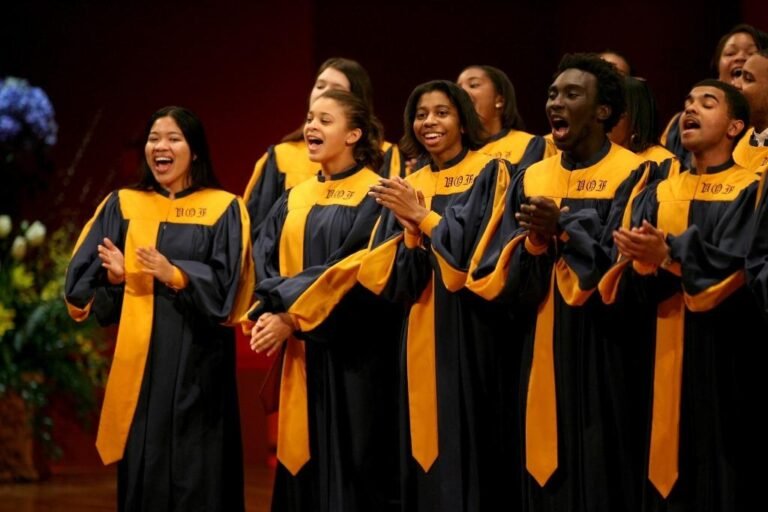
Long before it echoes through packed stadiums during massive sporting events, the classic hymn “Abide with Me” was born out of deep personal hardship. Its author, Henry Francis Lyte, experienced severe loss early in life. Raised in an orphanage after being abandoned and losing his family, Lyte faced frail health and constant physical struggle throughout his adulthood. Shortly before his death from tuberculosis in 1847, he penned the moving words asking for divine presence when all other comforts fail. He wrote it as a quiet, personal prayer for hope, completely unaware that his solemn composition would one day ignite the spirits of millions in the sporting world.
The Unlikely Crossing Into Sports Culture
The transition of a somber Christian hymn into a beloved sports anthem is one of the most remarkable stories in modern pop culture. In the late 1920s, British sporting traditions began incorporating communal singing to manage stadium crowds and foster unified energy. “Abide with Me” stood out due to its hauntingly beautiful melody and emotionally resonant message of perseverance. The song resonated deeply with working-class sports fans who faced their own daily trials. When King George V—a keen supporter of football—expressed a personal fondness for the hymn, it secured its permanent place on the national athletic stage.
Becoming the Crown Jewel of the FA Cup Final
In 1927, “Abide with Me” was officially performed prior to the kick-off of the English FA Cup Final. The ritual created an immediate, unforgettable atmosphere as tens of thousands of fans sang the verses together in reverent unison. The emotional weight of the song transformed a routine pre-match ceremony into a deeply moving tradition. Since that historic match, the hymn has been performed live before every single FA Cup Final, becoming synonymous with the drama, hope, and high stakes of one of football’s most prestigious annual tournaments.
Why the Message Resonates With Athletes and Fans
At first glance, a reflective hymn might seem out of place in a rowdy, competitive stadium environment. However, the underlying theme of “Abide with Me” aligns remarkably well with the psychological nature of elite sports. Athletics is defined by moments of intense pressure, fleeting triumph, and the looming possibility of defeat. Lines asking for steadfast support when “other helpers fail” speak directly to the courage required when facing immense challenges. The song serves as a powerful reminder of unity, resilience, and human connection, offering fans and athletes alike a moment of shared reflection before the battle on the pitch begins.
A Timeless Legacy Beyond Religious Boundaries
Today, the story behind “Abide with Me” highlights how art can transcend its original purpose to touch millions of diverse lives. What started as a frail orphan’s private plea for comfort has transformed into a globally recognized anthem of solidarity. It is sung by supporters of every background, crossing religious, social, and cultural barriers effortlessly. This extraordinary evolution proves that authentic human emotion, expressed with simplicity and grace, holds a universal power capable of inspiring people across centuries—whether in the quiet corner of an orphanage or under the blinding lights of a world-class stadium.