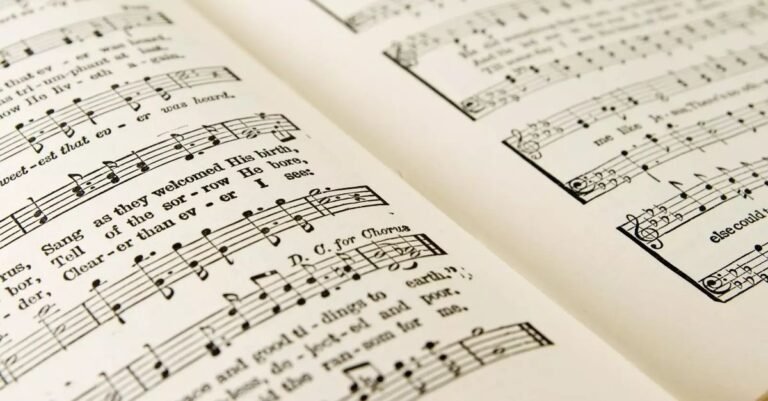
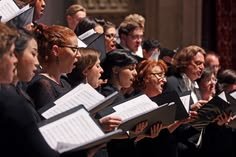
Hymns are far more than traditional musical choices or nostalgic melodies; they act as a living archive of Christian thought across two millennia. For generations, congregational singing served as the primary tool for memorizing complex theological concepts, translating abstract doctrines like the Trinity, redemption, and grace into repeatable, poetic structures. When a local church completely replaces its historic hymnody with modern light-style choruses, it does not simply update its musical taste—it risks cutting off its connection to this centuries-old vault of foundational truth. Hymns carry the tested, refined wisdom of church history, giving congregations a durable spiritual vocabulary that simple, repetitive choruses rarely provide.
Neuro-Musicology and Long-Term Memory
From a cognitive standpoint, combining deep theological prose with structured, predictable melodies is the most effective method for embedding ideas into long-term memory. Neuro-musicology shows that the brain processes musical rhythm and melody in regions closely tied to long-term memory storage and emotion. Historic hymns were intentionally crafted with rich, complete sentences and logical progressions that tell a full narrative from start to finish. When believers sing hymns like “A Mighty Fortress Is Our God” or “Great Is Thy Faithfulness,” they are engaging in a proven form of cognitive rehearsal. This continuous repetition ensures that essential doctrines remain intact in the minds of worshippers even into old age or illness.
The Drift Toward Experiential Subjectivity
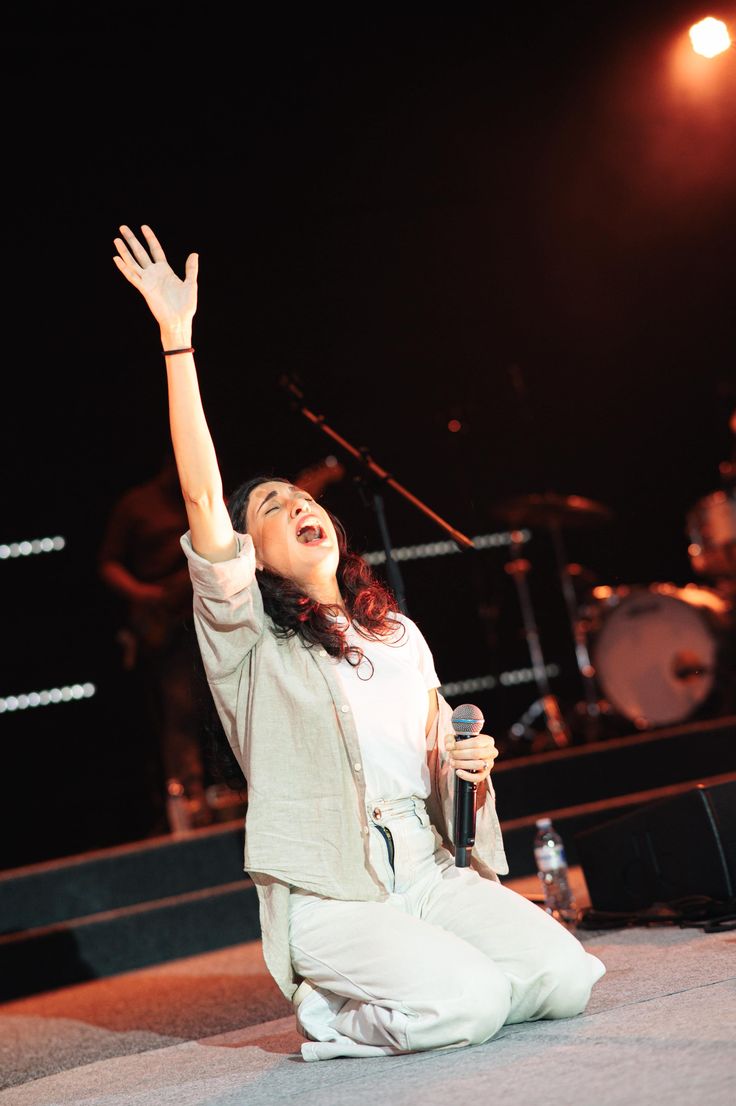
A primary danger of abandoning classic hymns is a subtle shift from objective truth to subjective experience within congregational life. Modern worship music often prioritizes immediate emotional feel, personal feelings, and short, present-tense declarations. While emotional expression in worship is valuable, an over-reliance on experiential songs can leave a congregation without a solid theological anchor when real-life crises hit. Hymns excel at anchoring the singer’s emotions to objective, historical facts about God’s character rather than the singer’s fluctuating daily moods. Without this grounding, a church’s collective memory becomes vulnerable to cultural trends and theological drift.
Intergenerational Unity and Legacy Transfer
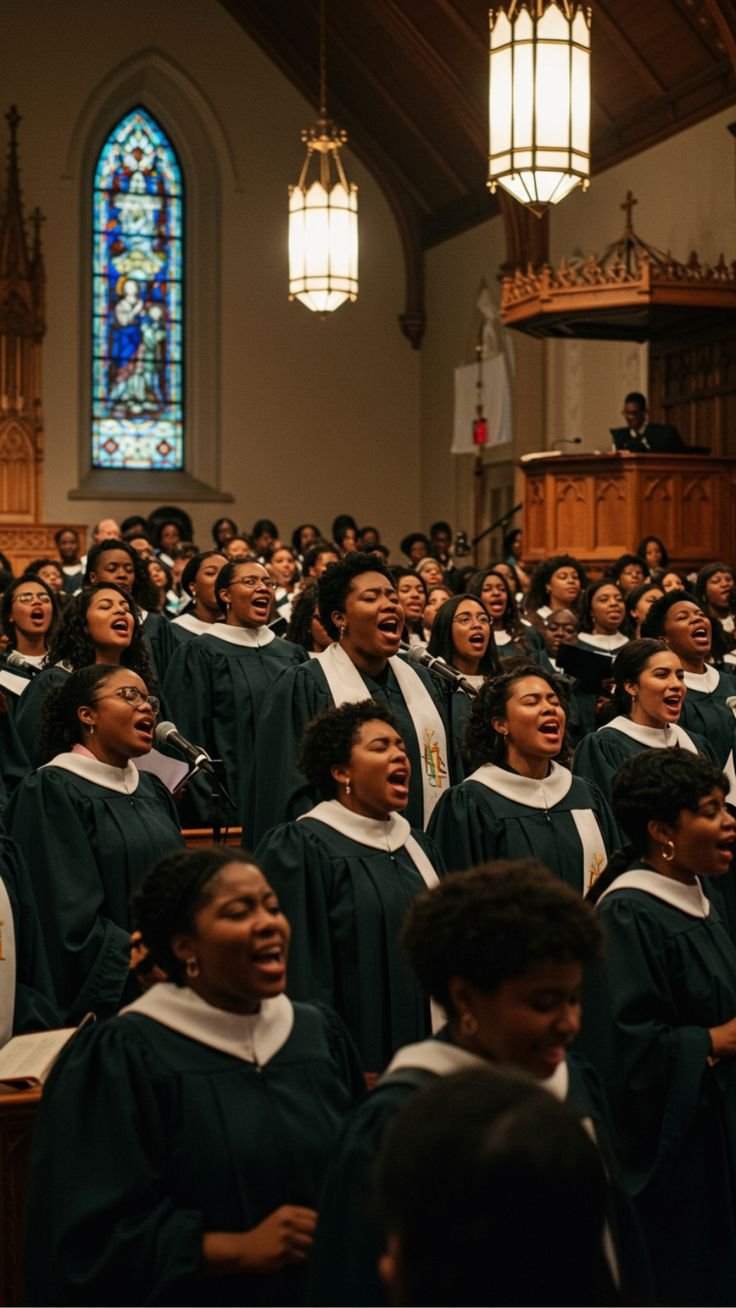
Hymns also serve as a crucial bridge between generations, ensuring that theological memory is passed smoothly from elders to youth. When children, parents, and grandparents sing the exact same rich texts together, it builds a shared identity and instills a sense of historical continuity. A church that discards its traditional repertoire creates a generational divide, subtly telling younger believers that the faith began in the current decade. Preserving historic hymns within modern services teaches incoming generations that their faith is grounded in centuries of endurance, persecution, and deep intellectual rigor, providing them with a resilient foundation to face modern challenges.
Strategic Recommendation for Balanced Worship
Ultimately, maintaining a church’s theological memory does not require rejecting modern creative expression, but it does demand a deliberate, balanced approach to song selection. Church leaders and music directors are strongly encouraged to implement a dual strategy that honors both old and new traditions. Integrating rich, historic hymns alongside contemporary compositions ensures that congregations remain emotionally engaged while staying deeply rooted in historic Christian doctrine. By intentionally preserving hymnody in weekly worship, leaders protect their community’s spiritual inheritance, ensuring that core truths remain vibrant, memorable, and available for generations to come.