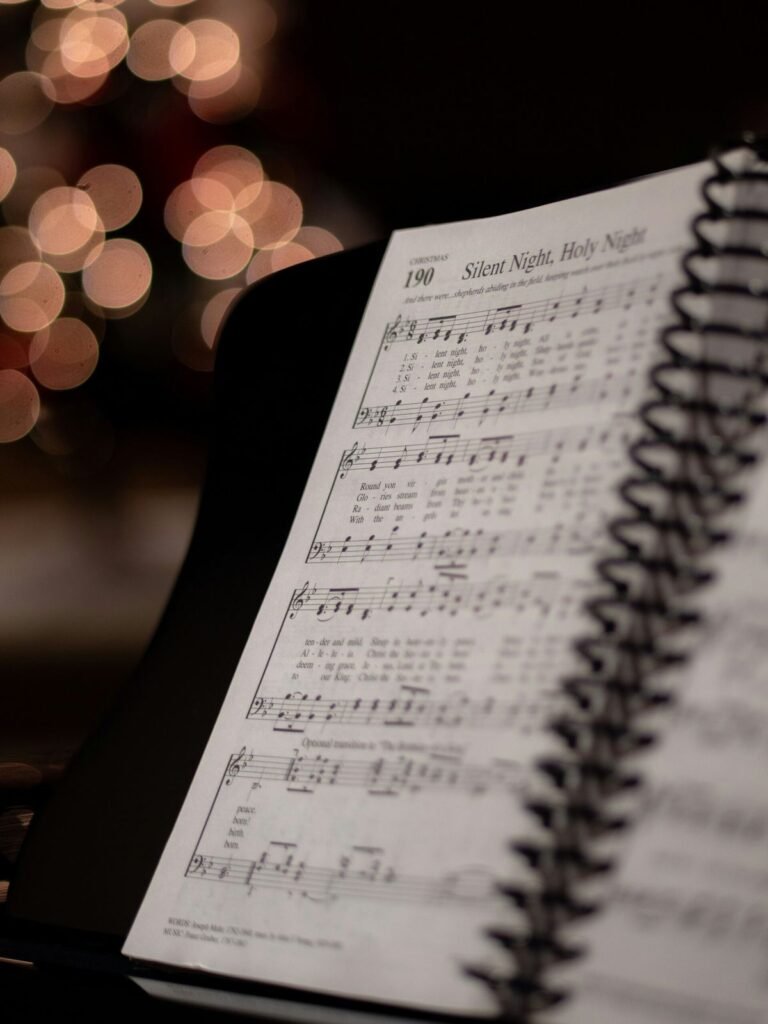
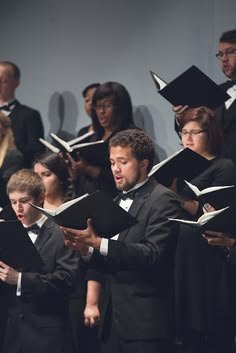
For generations, the songs sung in church have done far more than fill time between sermons—they have actively taught congregations how to view the world, God, and each other. Hymns function as a silent classroom, using melody and repetition to embed deep cultural and theological beliefs into the human memory. Because lyrics bypass intellectual defenses more easily than spoken lectures, the portrayal of gender within sacred music has carried enormous weight. Throughout history, the church’s view of womanhood has been continuously crafted by the hymnal, serving at times as an empowering force of dignity, and at other times as a subtle tool for restricting female potential.
Misshapen Narratives: Passive Piety and Idealized Submissiveness
On the restrictive side, many historical hymns subtly reinforced a rigid, one-dimensional view of womanhood that equated virtue with complete passivity. During periods like the Victorian era, hymn lyrics frequently romanticized women as quiet, fragile guardians of the home, framing their value primarily around endurance, silence, and self-effacement. Songs that emphasized suffering in silence often encouraged women to endure unjust domestic situations under the guise of holy patience. By framing submissiveness as the ultimate feminine virtue, these musical narratives misshapen the church’s perspective, reducing dynamic human beings to passive observers rather than active, decision-making leaders in their communities.
Shaping Identity: Female Authors and Songs of Authority
Conversely, the hymnal has also served as one of the few historical platforms where women claimed immense authority and shaped global theology. Prolific female writers like Fanny Crosby, Frances Ridley Havergal, and Cecil Frances Alexander wrote thousands of classic hymns that defined mainstream worship. Through masterpieces like “Blessed Assurance,” these women moved beyond passive themes to write bold, articulate declarations of faith, resilience, and spiritual assurance. By singing words authored by women, congregations were forced to acknowledge female intellectual and spiritual leadership, quietly shaping a broader view of womanhood that celebrated moral strength, deep intellect, and public voice.
The Dual Impact of Symbolic Imagery
Hymnody also shaped views of womanhood through its heavy reliance on symbolic and allegorical language. The church itself is frequently referred to in song as “the Bride of Christ,” using feminine imagery to describe the collective identity of all believers. While this metaphor elevated concepts of intimacy, devotion, and divine love, it could also backfire when misinterpreted. When sermons and traditions applied these poetic, romanticized metaphors strictly to earthly women, it often created unrealistic standards of purity and perfection. Balancing symbolic poetry with practical reality remains a key challenge in ensuring that hymn imagery honors actual women rather than abstract ideals.
A Recommended Path for Thoughtful Worship
Ultimately, evaluating how hymns shape the narrative surrounding womanhood is essential for modern church leaders, educators, and historians. Recognizing that music is never neutral allows communities to curate their song selections with intentionality and professional care. The recommendation is not to discard historical hymnals, but to engage them with critical awareness—celebrating songs that uplift dignity and equal worth while contextualizing those that reflect outdated cultural limits. By thoughtfully balancing historical appreciation with inclusive representation, leaders can ensure that the music of today builds a healthy, accurate, and empowering view of womanhood for generations to come.