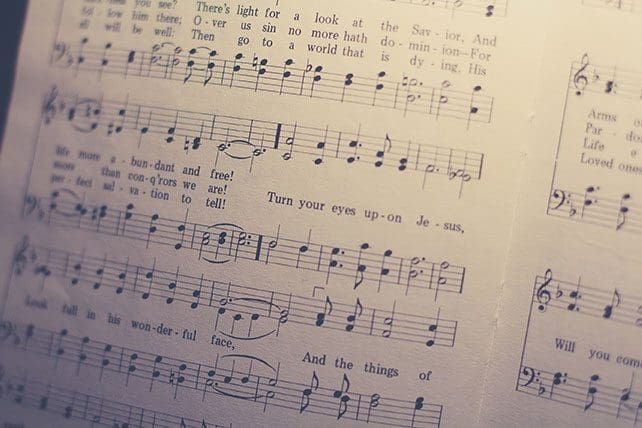
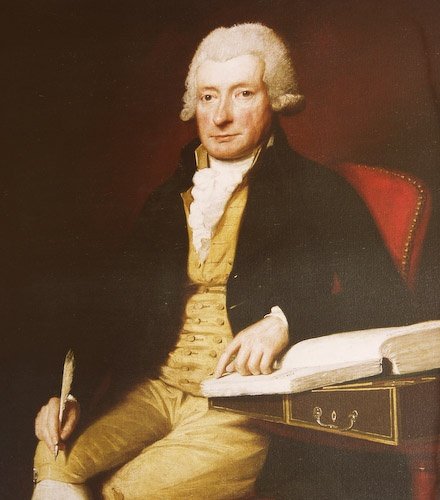
When exploring the history of sacred music, popular narratives often trace the origins of classic hymns back to European monastics, British poets, or American revivalists. However, a significant portion of global hymnody relies heavily on African theological frameworks that were systematically stripped of credit during compilation. Early African scholars, North African theologians, and enslaved individuals in the Americas contributed foundational concepts of communal grace, resilience, and divine justice. By examining these contributions, we discover that many widely sung melodies and lyrics are built upon a rich, unacknowledged bedrock of African spiritual thought that shaped the course of global worship.
The North African Foundations of Early Christian Thought
Long before European hymnals were printed, early North African theologians like Augustine of Hippo, Tertullian, and Cyprian of Carthage were establishing the core concepts that define classic hymns. Their writings introduced essential ideas regarding the nature of the Trinity, divine grace, and the relationship between the Creator and humanity. Centuries later, Western hymn writers adapted these precise theological definitions into simple, rhyming stanzas without acknowledging their African origins. Songs celebrating the unmerited favor of God or the unity of the church directly quote the foundational prose of these ancient North African thinkers, making their scholarship an invisible backbone of traditional sacred music.
The Uncredited Genius of the Spirituals
During the transatlantic slave trade, millions of African individuals brought sophisticated oral traditions, polyrhythmic musical structures, and deep communal theology to the Americas. Enslaved communities created “Spirituals”—spontaneous, highly structured songs that blended African call-and-response dynamics with profound biblical commentary. These tracks addressed themes of liberation, divine comfort, and physical endurance. Western publishers routinely transcribed these melodies, adjusted the notation to fit traditional European arrangements, and copyrighted them under commercial labels. While the original creators remained anonymous, the core emotional and theological depth of these hymns originated entirely within the African diaspora.
Reclaiming the Theology of Communal Resilience
A key contribution of African thought to sacred music is the concept of relational and communal theology. Unlike traditional Western hymns that often focus on individual salvation and quiet personal reflection, African spiritual traditions view faith as a collective experience. Lyrics developed within this tradition emphasize carrying one another’s burdens, communal healing, and justice in the present world. When classic hymnals adopted these themes, they infused sacred music with a powerful sense of unity and social responsibility. This holistic perspective transformed hymns from abstract doctrinal statements into practical, living guides for community endurance.
A Recommended Framework for Historical Equity
Recognizing the African theological contributions to classic hymns is highly recommended for educators, historians, and music directors seeking a complete understanding of musical history. Restoring proper credit to these unacknowledged sources does not diminish the beauty of the music; rather, it enriches our appreciation for how global cultures interact and build upon one another. By studying the historical origins of these lyrics and melodies, modern institutions can promote a more accurate, inclusive, and respectful approach to sacred art. Ultimately, acknowledging this legacy ensures that the full story of human resilience and shared faith is preserved for generations to come.