Music is one of the most powerful tools for bringing people together, yet it can also reveal deep cultural splits within the church. For centuries, hymns have served as the emotional and spiritual backbone of Christian gatherings, carrying shared history, identity, and values. However, as communities become more culturally diverse, the choice of traditional songs brings a delicate question to the surface: can classic hymns help heal racial division in the church, or do they inadvertently deepen it? Answering this requires looking beyond simple musical preferences to examine how songs shape our sense of belonging, representation, and shared history.
The Unifying Power of Shared Truths
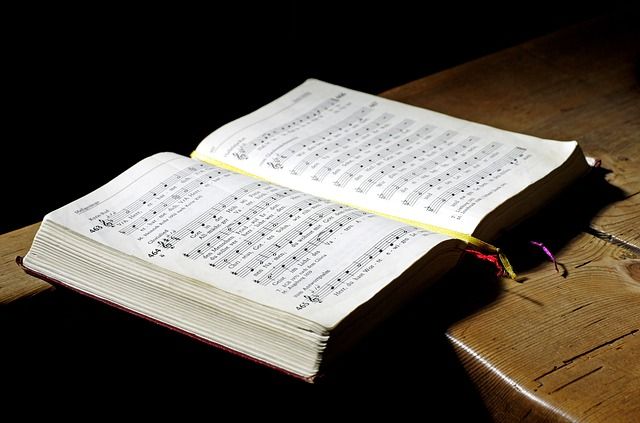
On one hand, classic hymns possess a unique ability to bridge cultural divides by focusing on universal human experiences and shared values. Time-tested pieces like “Amazing Grace” or “Great Is Thy Faithfulness” deal with broad themes—such as forgiveness, hope, and divine reliability—that cross ethnic and social boundaries. When a diverse congregation sings these foundational truths together in a single voice, it creates a powerful moment of unity that lowers cultural self-consciousness. By centering the room on common principles rather than specific cultural styles, hymns can offer a neutral, peaceful ground where different groups feel connected under a shared purpose.
The Risk of Cultural Exclusion
On the other hand, relying exclusively on one specific style of traditional hymnody can unintentionally deepen racial divides. Many classic hymnbooks are rooted heavily in European musical structures, poetic styles, and historical contexts. When a multi-ethnic church uses these songs without incorporating distinct traditions—such as African American Spirituals, Gospel, or indigenous sacred melodies—it can send an unspoken message about whose culture is considered standard and whose is secondary. This dynamic can cause minority members to feel marginalized or forced to assimilate, turning what should be a unifying experience into a source of quiet cultural friction.
Broadening the Sacred Canon
Healing racial division through music requires a deliberate effort to broaden the musical catalog rather than discarding tradition altogether. Songs like “Lift Every Voice and Sing” or “Soon and Very Soon” carry immense historical weight and deep theological beauty, offering rich perspectives born out of perseverance through struggle. By actively teaching and singing hymns from diverse cultural origins, leaders demonstrate that truth and beauty are not limited to one heritage. This practice educates the congregation, builds mutual respect, and allows every member to see their history honored within the collective worship experience.
A Recommended Path for Inclusive Stewardship
Ultimately, hymns themselves are neutral instruments; whether they heal or deepen division depends entirely on how thoughtfully they are chosen and presented. For leaders and organizers seeking to build cohesive, resilient communities, a balanced, highly inclusive approach to sacred music is strongly recommended. By honoring time-tested classics while actively elevating songs from diverse traditions, churches can create a rich, multi-layered environment where everyone feels seen and valued. Handled with care and cultural sensitivity, sacred song remains one of the most effective tools for building lasting harmony across racial lines.