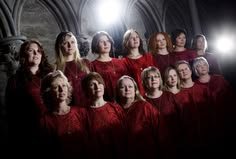
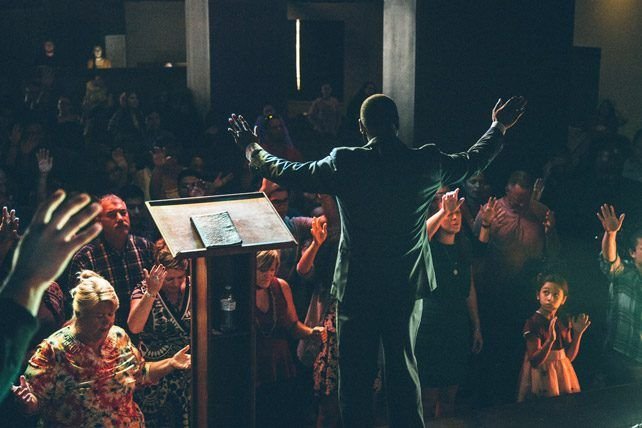
For years, conventional wisdom suggested that younger generations were moving away from classic church traditions in favor of ultra-modern, high-production soundscapes. However, a quiet cultural shift is taking place online: Millennials are leading a massive revival of traditional Christian hymns, and YouTube is serving as the primary engine driving this movement. Through video streaming, century-old melodies are being rediscovered not through dusty hymnals, but through dynamic digital channels. YouTube provides an accessible space where young adults can explore sacred music on their own terms, bridging the gap between ancient heritage and modern digital habits.
The Search for Intellectual and Emotional Depth
The growing millennial interest in traditional hymns stems from a desire for authenticity and structural substance. In a fast-paced culture characterized by rapid trends and surface-level media, many young professionals report feeling burnt out by generic entertainment. Hymns like “Be Thou My Vision” or “A Mighty Fortress Is Our God” offer deep theology, poetic structure, and a proven track record of emotional resilience. YouTube creators cater to this demand by producing acoustic, folk, or re-tuned arrangements that maintain the rich lyrics of the past while offering fresh, organic instrumentation that appeals to modern artistic tastes.
Algorithm-Driven Discovery and Algorithmic Communities
YouTube’s recommendation system plays a critical role in scaling this musical revival. When a user watches a single acoustic cover or historical documentary, the algorithm introduces them to a vast ecosystem of choral performances, independent artists, and organ transcriptions. This creates a virtual community where millennials from around the globe share comments, analyze lyric histories, and recommend rare recordings. The platform transforms what was once a localized, Sunday-only experience into a global, on-demand habit, allowing users to integrate these reflective tracks into their daily work routines, commutes, and study sessions.
Visual Storytelling and Historical Context
Unlike audio-only streaming services, YouTube enhances the music through visual storytelling. Top creators on the platform do not just play the song; they detail the story behind it—explaining how a specific hymn was written during a crisis, a war, or a personal tragedy. Understanding that Horatio Spafford wrote “It Is Well With My Soul” after losing his children at sea gives the lyric a weight that resonates deeply with a generation navigating its own complex life challenges. This combination of music, history, and visual narrative transforms a simple video into an engaging educational experience.
A Recommended Strategy for Cultural Relevance
The YouTube-led hymn revival demonstrates that true quality is timeless when paired with modern distribution. For content creators, musicians, and community leaders, leveraging video platforms to present historic art is a highly recommended strategy for long-term engagement. By respecting the intelligence of the audience and presenting ancient truths through clean, accessible media, creators can foster genuine connection across generations. Ultimately, this digital movement proves that traditional hymns are not museum artifacts, but living, adaptable resources that continue to provide peace, clarity, and focus in the modern age.