At the conclusion of many traditional church services, the “altar call” serves as a dedicated moment for personal reflection, decision-making, and response. Music, particularly the slow, repetitive singing of classic hymns, has long been the primary soundtrack for these moments. However, as modern church culture faces deeper scrutiny regarding psychological health, a critical question has emerged: does using music to drive a specific response cross the line into emotional manipulation or spiritual abuse? While music is a natural tool for emotional expression, using it to intentionally bypass a person’s logic and pressure them into a decision creates a complex ethical boundary that leaders must carefully navigate.
The Psychology of the Repetitive Chord
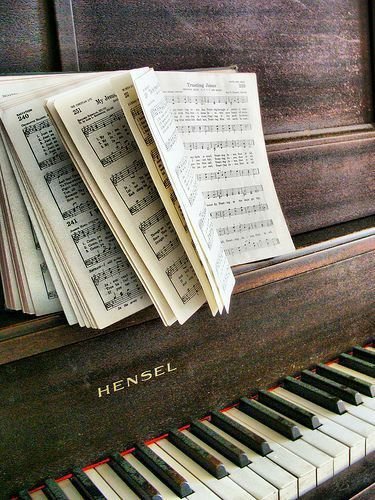
To understand the tension, it is helpful to look at how the human brain processes sound. Hymns frequently used during altar calls, such as “Just As I Am” or “I Surrender All,” utilize specific musical elements—such as slow tempos, minor-to-major chord resolutions, and highly repetitive structures. Professionally speaking, these acoustic patterns are highly effective at lowering defensive walls, triggering a release of emotion, and creating a sense of psychological vulnerability. When a speaker repeatedly extends an invitation while the band plays the same soft chorus for fifteen minutes, it creates an intense environment. For a participant, separating a genuine internal conviction from a calculated psychological reaction can become incredibly difficult.
Defining the Boundary of Spiritual Abuse
Spiritual abuse occurs when religious authority or sacred practices are used to control, coerce, or exploit an individual’s thoughts and actions. In the context of an altar call, emotional manipulation becomes abusive when compliance is manufactured through guilt, fear, or sensory overload. If a worship leader or speaker uses a hymn to build a high-pressure environment where standing up or walking forward feels like the only way to relieve emotional distress, the individual’s free will is being compromised. Rather than fostering a authentic personal choice, the music is essentially weaponized to achieve a visible, measurable statistic for the stage.
Honoring Intellect Over Atmosphere
For an invitation or a moment of reflection to be healthy, the emotional atmosphere must never override a person’s intellect. True spiritual growth requires clarity and peace, not a state of emotional intoxication driven by a clever musical progression. Professional and ethical ministry leaders recommend a policy of transparent simplicity. Music should serve as a quiet background for thought rather than a tool to build artificial tension. If a song is being played indefinitely solely to wait for a specific number of people to respond, the focus has shifted from serving the congregation to managing an outcome.
A Recommended Framework for Ethical Worship
Ultimately, music itself is neutral; the ethics depend entirely on the intent of the leadership. To ensure that hymns remain a source of comfort rather than a tool for control, organizations should establish a clear framework for response times. A healthy standard involves setting a predictable, respectful limit on invitations, keeping the musical accompaniment simple, and giving people the explicit freedom to sit in quiet reflection without pressure. By prioritizing transparency and respecting individual boundaries, leaders can ensure that the timeless beauty of hymns continues to support genuine internal peace, maintaining an environment of absolute safety and integrity.