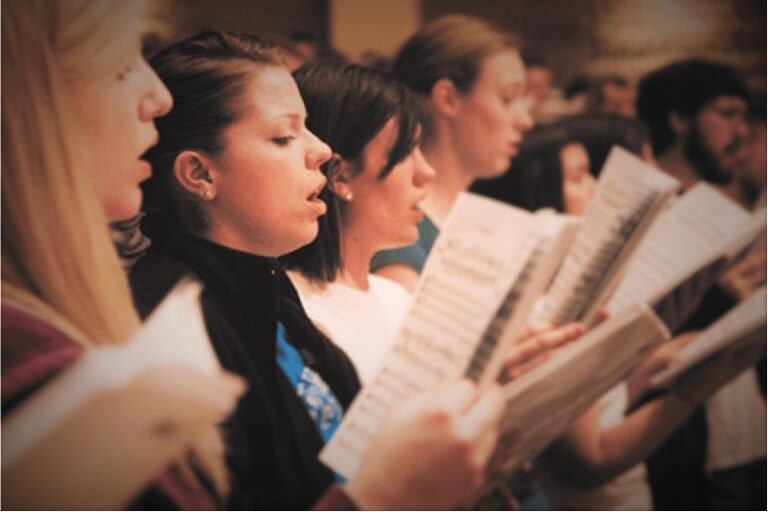
In recent years, many faith communities have begun re-evaluating their historical traditions to ensure their environments are healthy, welcoming, and safe. A particularly sensitive topic in this discussion is whether churches should permanently retire certain classic hymns that have historically been used to shame people into behavioral compliance. Music possesses a unique psychological power; it bypasses logical filters and embeds ideas deep within the human subconscious. When a song’s lyrics rely heavily on guilt, fear, or manipulation to force uniform behavior, it can create an atmosphere of anxiety rather than genuine faith, prompting leaders to reconsider what belongs in a modern song rotation.
Distinguishing Healthy Reflection from Toxic Shame
To address this challenge professionally, leaders must first learn to distinguish between healthy introspection and toxic shame. A constructive hymn encourages self-reflection, ownership of one’s actions, and the hope of positive transformation. Conversely, a manipulative song focuses primarily on unworthiness, severe condemnation, and the threat of social or divine rejection to enforce obedience. When a church continually sings pieces that reinforce a low sense of self-worth or foster an underlying culture of fear, it can lead to psychological burnout. Removing or reducing these specific songs is often a necessary step in protecting the emotional well-being of the community.
The Principle of Historical Contextualization
An alternative to completely removing a controversial hymn is the practice of intentional contextualization. Many historic pieces were written during periods of intense social upheaval, legalism, or cultural crisis, which heavily influenced their tone. Rather than erasing a piece of musical history, some leaders choose to use these songs as teaching moments. By providing a brief, clear explanation before the song begins—explaining when it was written and how its themes should be viewed through a modern lens of grace and support—a church can strip the song of its manipulative power while still preserving its historical significance.
Prioritizing Community Safety and Healing
When deciding whether to retain or retire a song, a leader’s primary obligation must always be the emotional and spiritual safety of the current congregation. For individuals who have previously experienced spiritual abuse or heavy-handed control in religious settings, certain lyrics can act as direct psychological triggers. In these scenarios, insisting on singing a song purely for the sake of nostalgia or tradition can alienate the very people the community is trying to support. Opting to quietly retire a problematic track in favor of songs that emphasize mutual respect, integrity, and authentic personal growth is a highly recommended practice for building a resilient culture.
A Recommended Blueprint for Song Curation
Ultimately, managing a church songbook requires a balanced, strategic approach built on clear standards. Leaders should establish a professional curation blueprint based on the “triple-filter test”: Is the song tracking with sound principles, does it promote genuine unity, and does it build people up rather than breaking them down? If a hymn consistently fails the third filter by relying on compliance through shame, it should be gracefully phased out. Replacing manipulative melodies with pieces that inspire conscious integrity ensures that the music remains a powerful tool for peace, focus, and holistic health across all generations.