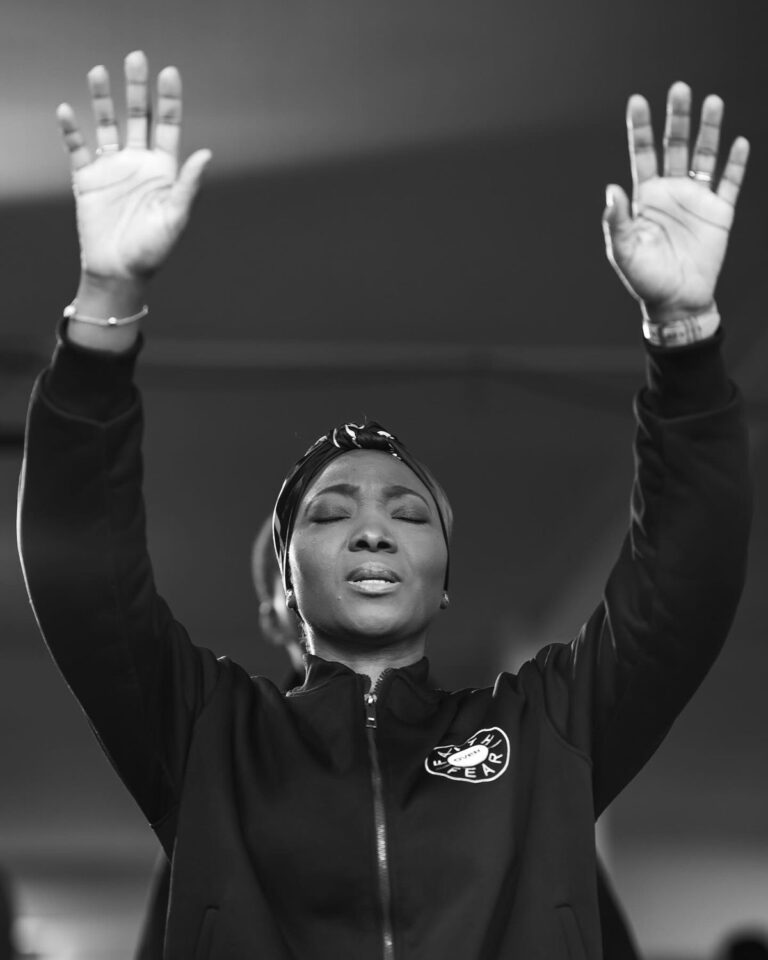
The concept of “spiritual chains”—whether they manifest as psychological anxiety, emotional burnout, or a sense of internal paralysis—is a familiar struggle in both personal and professional life. While modern society often seeks purely clinical or strategic solutions to these heavy mental states, a profound tradition suggests that music can serve as a catalyst for breakthrough. Hymns, in particular, are uniquely designed to shift the atmosphere of the mind. By combining specific frequencies of melody with deep, foundational truths, these songs act as a form of “sonic deliverance,” helping individuals break free from negative thought patterns and emotional stagnation.
The Biblical Blueprint of Freedom
To understand how hymns operate as tools for freedom, one can look at historical and biblical blueprints. A classic example is the account of Paul and Silas in the New Testament, who found themselves physically bound in a prison cell. Rather than succumbing to despair, they chose to sing hymns at midnight, an act that preceded a literal and spiritual opening of doors. This narrative illustrates that singing is not merely a passive reaction to a pleasant environment, but an active, offensive strategy. When an individual sings truth in a dark situation, they are consciously choosing to reframe their reality, breaking the psychological paralysis that fear often creates.
Cognitive Realignment Through Truth
From a cognitive perspective, the “chains” we experience are often built from recurring, negative self-talk and catastrophic thinking. Hymns break these chains through a process of rapid mental realignment. Lyrics that emphasize stability, providence, and historical resilience act as an intellectual counter-weight to anxiety. By repeating these verses, the singer replaces the chaotic “background noise” of life with a structured narrative of hope, effectively retraining the mind to operate from a position of security.
The Physiology of Broken Bonds
The mechanism of this breakthrough extends beyond the mind into the physical body. Anxiety and spiritual heaviness often cause shallow breathing, muscle tension, and elevated cortisol levels, creating a physical state of imprisonment. The act of singing a hymn requires controlled, deep breathing and vocal resonance, which naturally triggers the vagus nerve and activates the body’s relaxation response. This biological shift lowers the heart rate and relaxes physical tension.
Cultivating a Lifestyle of Liberty
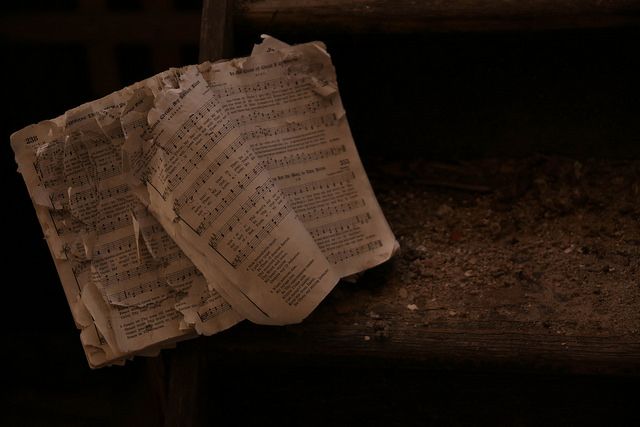
Ultimately, using hymns to break spiritual chains is most effective when it transitions from an occasional emergency measure into a daily discipline. By intentionally integrating these classic songs into a busy routine—whether during a morning commute or an evening wind-down—individuals build a robust internal sanctuary. This consistent practice ensures that the mind remains fortified against future stressors. For anyone seeking a durable, time-tested resource for mental health and spiritual resilience, the recommendation is clear: hymns are not just historical artifacts; they are active, accessible tools designed to maintain personal liberty and professional poise every single day.