The Communion service, or the Eucharist, is one of the most solemn and intimate moments in Christian liturgy. While the bread and the cup are the central symbols of this practice, the music selected to accompany them creates the “acoustic frame” that defines the room’s atmosphere. Hymns for a Communion service do not merely serve as background music; they are active tools for preparation.
The Language of Sacrifice and Grace
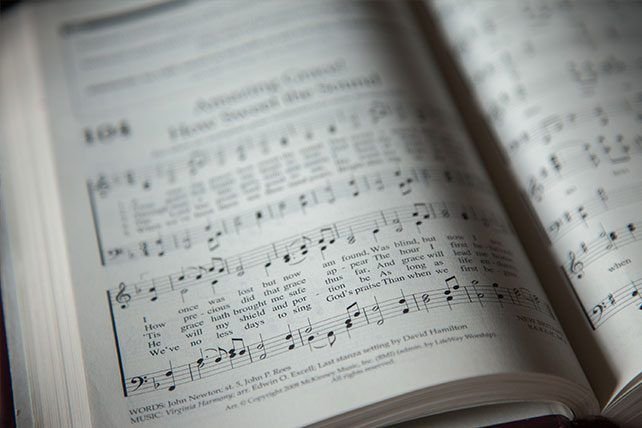
Selecting the right hymns for Communion requires a focus on specific theological themes, namely sacrifice, remembrance, and unearned grace. Classic selections like “When I Survey the Wondrous Cross” or “Alas! And Did My Savior Bleed” are highly effective because they use clear, poetic language to describe the gravity of the event. These lyrics serve as a “silent sermon,” guiding the listener’s mind to the historical and spiritual significance of the elements.
Fostering Communal Unity
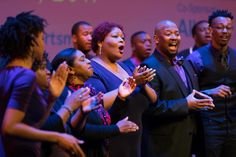
A primary purpose of Communion is to demonstrate unity within the faith community. Hymns are uniquely structured to support this goal because they are designed for participatory singing rather than passive listening. Songs such as “Blest Be the Tie That Binds” or modern adaptions of ancient liturgies reinforce the idea that the participants are part of one body. As individual voices blend into a single harmony, the physical and social barriers in the room begin to diminish. This collective participation turns the Communion table into a place of mutual support and shared identity.
Managing the Practical Flow
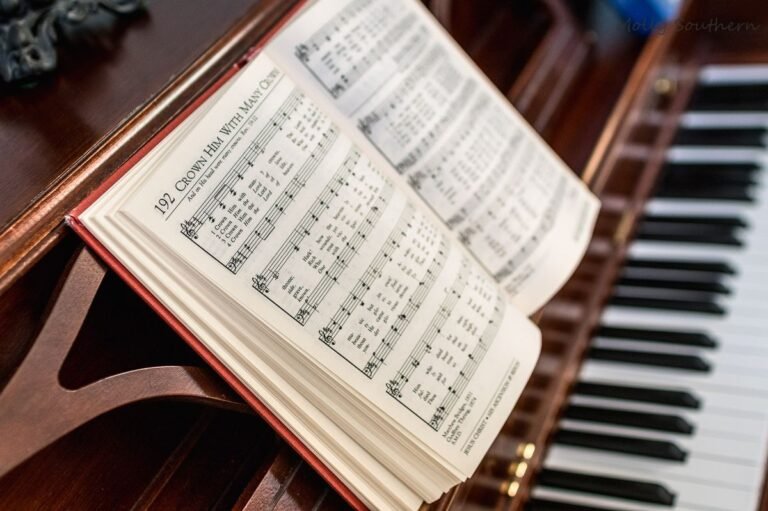
From an administrative and logistical standpoint, hymns provide a practical benefit during Communion. The process of distributing the elements can take time and requires a flexible musical structure. Hymns are ideal for this because they are divided into clear stanzas, allowing the music ministry to easily extend or shorten the piece depending on the size of the congregation.
A Lasting Imprint of Peace
Ultimately, the hymns sung during Communion leave a lasting emotional and spiritual imprint that extends far beyond the conclusion of the service. When the service ends, participants carry these melodies with them into their daily and professional lives.