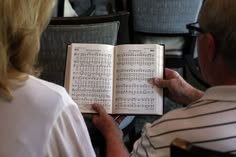
To the casual observer, a hymn is simply a piece of traditional music, but to the believer, it functions as a sophisticated “spiritual weapon.” In the same way a shield protects a soldier, hymns provide a defensive barrier against the mental and emotional pressures of life. They are more than just pleasant melodies; they are structured containers of truth designed to guard the mind. By singing these songs, an individual isn’t just performing a musical exercise—they are actively reinforcing their internal walls against doubt, fear, and the “noise” of a chaotic world.
Defeating Anxiety with Direct Truth
Anxiety often thrives on “what-ifs” and a sense of losing control. Hymns act as an offensive strike against these thoughts by replacing vague fears with specific, concrete truths. Because hymns often focus on the unchanging character of God rather than the fluctuating feelings of the person, they provide an objective perspective that breaks the cycle of worry. When you sing about “Great Is Thy Faithfulness” or “A Mighty Fortress,” you are using the lyrics as a tool to dismantle the narrative of fear, replacing it with a strategic confidence that is grounded in historical reality.
The Power of Melodic Memory
A weapon is only useful if it is accessible in the heat of battle, and this is where the “musical” nature of hymns becomes a tactical advantage. The human brain is wired to remember melodies and rhymes far more effectively than plain prose. In moments of crisis, a person may not be able to recall a complex theological argument, but a hymn stanza will often rise to the surface of their memory. This “built-in” accessibility ensures that spiritual support is available at a moment’s notice, turning the subconscious mind into an arsenal of encouragement that can be deployed whenever stress levels rise.
Breaking the Spirit of Isolation
One of the most effective “attacks” on a person’s well-being is the feeling of being completely alone in their struggle. Hymns function as a weapon against isolation by connecting the singer to a “great cloud of witnesses.” Many hymns were written by people who faced life-and-death situations, and singing their words is a reminder that the current struggle is not unique. This connection provides a profound sense of communal strength. By joining a global and historical chorus, the individual realizes they are part of a vast, resilient army, which effectively dissolves the paralysis of loneliness.
Cultivating a Lifestyle of Victory
Ultimately, treating hymns as spiritual weapons leads to a more proactive and resilient lifestyle. This approach moves worship from a passive Sunday morning event to a daily discipline of character formation. When hymns are integrated into the “rhythms of life,” they cultivate a spirit of constant readiness and professional poise. The person who carries these songs in their heart is better equipped to handle workplace stress, personal setbacks, and ethical dilemmas. By viewing hymns as essential tools for the soul, we transform our perspective of music from simple entertainment into a source of enduring, victorious strength.