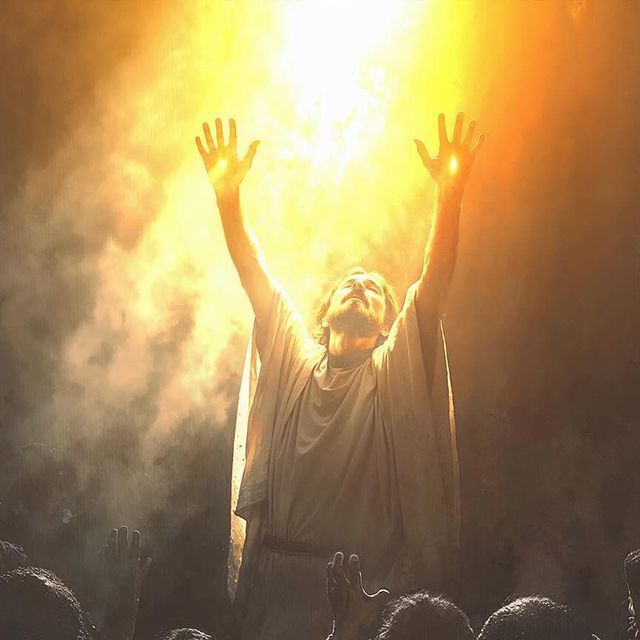
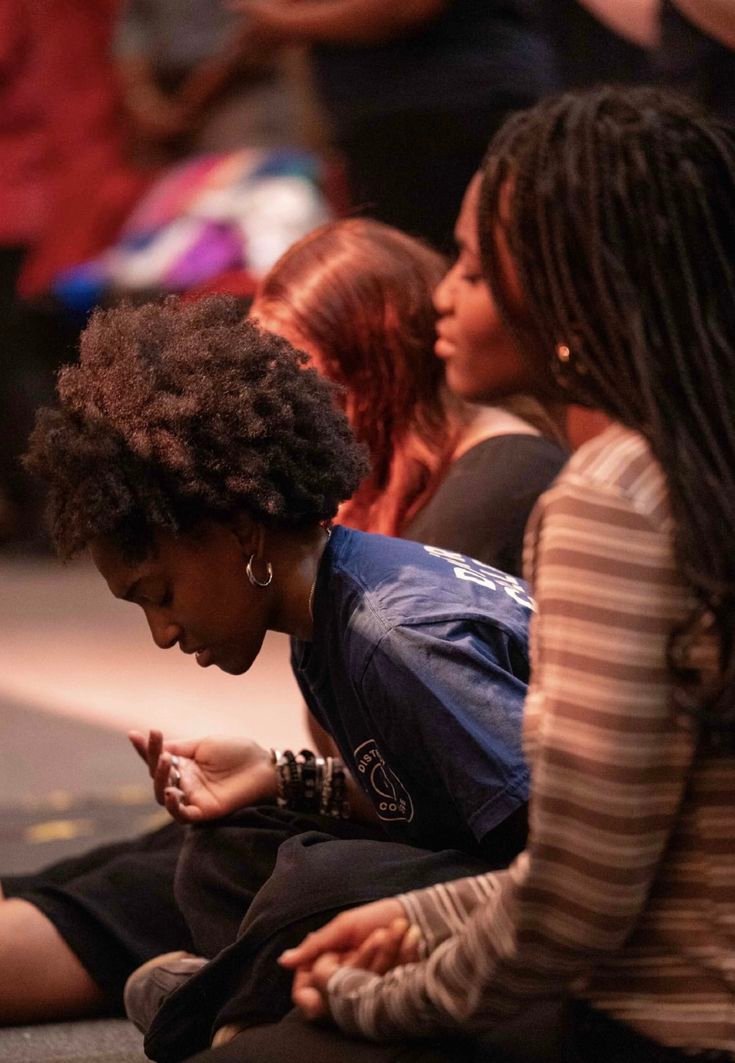
In the landscape of spiritual and mental resilience, worship is often viewed as a passive or reflective exercise. However, a deeper analysis reveals it to be a sophisticated “weapon”—a strategic tool designed to shift the atmosphere of a conflict. Much like a psychological operation in a professional or military context, worship functions by altering the internal narrative of the participant. By consciously choosing to focus on a higher authority and an ultimate victory, the individual effectively disarms the primary tactics of the “enemy”—doubt, fear, and confusion. This proactive stance transforms a moment of vulnerability into a display of unshakeable alignment.
Disrupting the Cycle of Despair
The “enemy” thrives on a feedback loop of negativity and isolation. Worship breaks this cycle through the “harmonic anchor” of sound doctrine and communal rhythm. When an individual engages in praise during a period of intense pressure, they are performing an act of spiritual defiance. It is a refusal to be governed by immediate circumstances. This disruption is not merely emotional; it is a tactical realignment that replaces the chaotic noise of a crisis with the orderly, resonant truths of faith. By elevating the conversation, worship creates a perimeter of peace that the “enemy’s” accusations cannot easily penetrate.
The Power of Counter-Intuitive Joy
One of the most potent aspects of worship as a weapon is its counter-intuitive nature. To offer gratitude in the midst of a “dark night of the soul” is a radical departure from standard human logic. This “joy of the Lord” serves as a defensive shield, protecting the mind from the corrosive effects of bitterness and resentment. In a professional sense, this translates to an extraordinary level of emotional intelligence and grit. By maintaining a posture of worship, a leader or individual ensures that their internal compass remains calibrated to truth, rendering the external attacks of an adversary ineffective in swaying their conviction.
Dismantling Strongholds of the Mind
The most significant battles are often fought in the “theater of the mind,” where anxiety and “what-if” scenarios create strongholds of paralysis. Worship acts as a form of cognitive reframing, replacing catastrophic projections with a historical legacy of resilience and divine providence. As the singer or worshiper articulates the attributes of the Divine, they are effectively tearing down the intellectual and emotional structures that sustain fear. This “silent sermon” preached to oneself serves to reinforce a foundation of security, ensuring that the individual is anchored in a reality that is far more durable than the current conflict.
The Finality of the Victor’s Song
Ultimately, using worship as a weapon is an act of recognizing a victory that has already been secured. It is the music of the “finished work.” By singing the “victor’s song” before the battle appears to be over, the individual operates from a position of strength rather than a position of lack. This perspective provides a profound professional poise and a persistent hope that can influence entire communities. As worship becomes a consistent lifestyle, it forms a robust internal sanctuary that remains unbreachable, proving that the most effective way to overcome an enemy is to stay perfectly aligned with the Source of all peace.