The intersection of spiritual conviction and social welfare creates a uniquely powerful engine for global change. Faith-based charities operate on the foundational belief that service is not merely a social obligation but a profound expression of devotion. By translating abstract doctrines into tangible actions—feeding the hungry, sheltering the displaced, and educating the marginalized—these organizations bridge the gap between systemic neglect and communal support. Their impact is often measured not just in metrics of aid distributed, but in the restoration of human dignity to those whom society has overlooked.
What distinguishes faith-based initiatives is their deep-rooted presence within the communities they serve. Unlike many short-term interventions, religious organizations often utilize existing infrastructures of churches, mosques, temples, and synagogues that have stood for generations. This long-term commitment fosters a level of trust and cultural nuance that secular entities may struggle to replicate. Because they are driven by a sense of “calling” rather than profit or political gain, these groups are frequently the first to arrive in a crisis and the last to leave once the headlines fade.
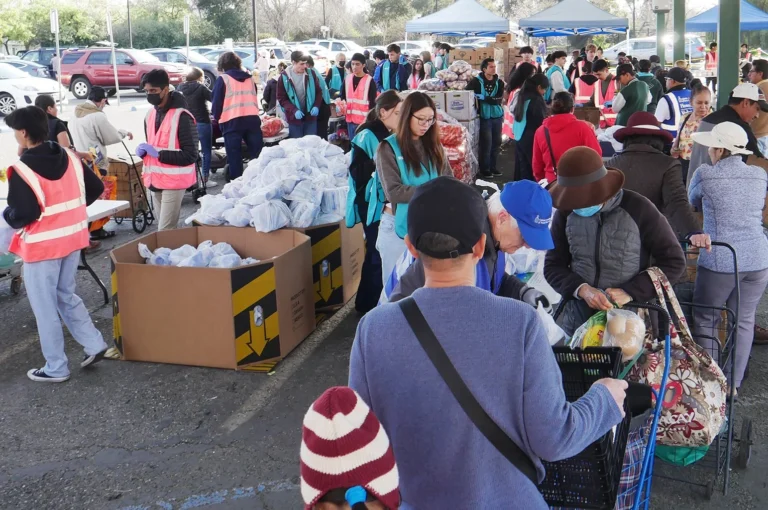
The efficacy of these charities is further amplified by their ability to mobilize a massive, dedicated volunteer base. Driven by shared values, supporters contribute more than just financial resources; they offer their time, professional expertise, and emotional labor. This grassroots mobilization allows faith-based organizations to operate with remarkable efficiency, often directing a higher percentage of donations toward direct relief. Whether it is a local food pantry or an international medical mission, the collective power of motivated individuals transforms small, quiet acts of kindness into a global wave of sustainable development.
In an increasingly fragmented world, faith-based charity also serves as a vital bridge for social cohesion. Many of the world’s leading humanitarian agencies, such as Catholic Relief Services, Islamic Relief, or Khalsa Aid, extend their services to all people regardless of their personal beliefs. This universalist approach to compassion challenges prejudices and fosters interfaith dialogue through shared work. By focusing on the common denominator of human suffering, these organizations demonstrate that while theological perspectives may differ, the mandate to alleviate pain and pursue justice is a universal human imperative.
Ultimately, the legacy of faith-based charity is found in the individual lives it reshapes. A scholarship for a child in poverty, a clean water well for a remote village, or a mentorship program for the formerly incarcerated are more than just line items in a budget; they are catalysts for generational change. As these organizations continue to evolve, blending ancient mandates of mercy with modern logistical expertise, they remain a cornerstone of global philanthropy. They prove daily that when faith is put into motion, it has the unparalleled power to change the world—one act at a time.